What Determines the Price of a Fully Automatic Block Making Machine?
The price of a fully automatic block making machine is mainly determined by its production capacity, automation level, forming technology, mold configuration and the scope of the production line. Component specifications, installation requirements and after-sales support can also affect the final investment.
A machine designed for a plant producing standard hollow blocks will not necessarily have the same configuration or price as one intended to manufacture hollow blocks, paving blocks, curbstones and other concrete products on an automated production line.
For buyers, the key is to understand what drives the quotation, which features are relevant to their production plans, and where additional investment can deliver practical value.
1. What Factors Determine the Price of a Fully Automatic Block Making Machine?
Several factors work together to determine the price. Looking at them individually makes it easier to compare equipment and identify the right configuration for your project.
1.1 Production Capacity and Machine Size
Production capacity is one of the most influential factors in the price of a fully automatic block making machine.
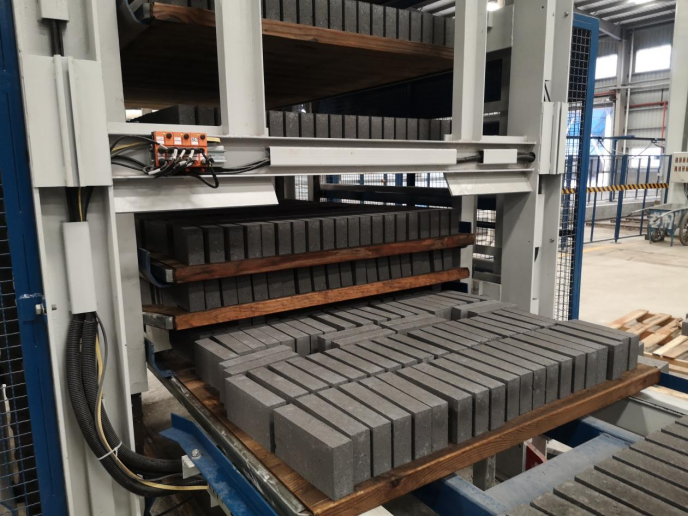
Machines differ in pallet size, molding area, product height range, vibration performance and the number of products formed per cycle. These differences affect the machine's design and its ability to handle specific production requirements.
However, a larger machine is not automatically the better choice. Its capacity should match realistic market demand, available factory space and the planned product range.
When comparing suppliers, check how their output figures are calculated. A production estimate for small paving blocks cannot be directly compared with one for large hollow blocks. Mold configuration, cycle time, operating hours and downstream handling capacity all influence actual output.
For this reason, buyers searching for fully automatic block making machine prices should compare capacity under equivalent production conditions rather than relying on a headline output figure.
1.2 Automation Level and Production Line Configuration
Automation can have a substantial effect on the initial investment.
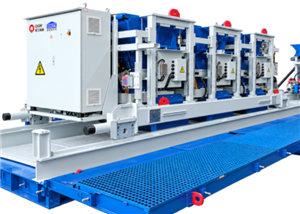
A basic setup may automate the forming process while relying on more manual handling elsewhere. A fully integrated line can coordinate batching, mixing, feeding, block forming, pallet transfer, curing and stacking.
Each additional system introduces equipment and integration requirements. The appropriate configuration depends on the plant's production scale, labor availability and operating plan.
For a smaller factory, a simpler arrangement may be sufficient. For a medium- or large-scale operation, automated material handling can reduce repetitive manual work and improve coordination between production stages.
The distinction between a machine quotation and a complete production-line quotation is particularly important.
When requesting a fully automatic concrete block production line price, confirm whether batching and mixing equipment, conveyors, pallets, curing systems, stackers, electrical controls, installation and commissioning are included. Two quotations may look very different simply because their scopes of supply are not the same.
1.3 Forming Technology and Machine Performance
The forming system determines how the machine applies vibration and pressing force to compact concrete inside the mold.
Depending on the design, a block making machine may use controlled vibration, hydraulic systems and automated adjustment of operating parameters. More advanced configurations can offer greater flexibility when producing different concrete products or working with varying mix characteristics.
Servo vibration technology, for example, allows vibration parameters to be adjusted rapidly and precisely. Its practical value depends on the products being manufactured, the required forming quality and the way the production process is configured.
Buyers should therefore look beyond the name of the technology. Ask how the system supports the intended products, how forming parameters are controlled and whether the equipment can accommodate the required production changes.
A high-performance automatic concrete block making machine should be evaluated against actual manufacturing requirements, not simply the number of advanced features listed in its brochure.
1.4 Mold Configuration and Product Flexibility
Molds have a direct influence on both the initial investment and the range of products a factory can manufacture.
Hollow blocks, solid blocks, paving blocks and curbstones have different dimensions and shapes. A plant producing several product categories may need multiple molds compatible with the selected machine.
The initial mold budget should reflect the products the business expects to sell first. Additional molds can be introduced as demand develops, provided the machine and production line support the intended products.
Changeover arrangements are another consideration. For plants that frequently switch between product specifications, an automatic quick mold change system can reduce manual intervention and simplify scheduling.
This is where the intended operating model matters. If the factory runs one product for long periods, frequent mold changes may not be a major concern. If it serves multiple customers with different specifications, changeover flexibility can be much more valuable.
For these buyers, an automatic block making machine with a quick mold change system may be worth considering as part of the overall equipment configuration.
1.5 Component Quality and Control Systems
The hydraulic system, vibration assemblies, electrical components, structural frame and control system all contribute to machine design and cost.
Component selection should be considered alongside manufacturing quality, machine structure and maintenance accessibility. A machine that is easy to inspect and service may be more practical to operate than one that is difficult to maintain, even if the initial quotations are similar.
The control system is equally important. It coordinates machine movements, manages operating sequences and allows operators to monitor production parameters.
When comparing equipment, ask for details about the control architecture, major components, available diagnostics and spare parts arrangements. These details provide a clearer picture of the proposed configuration than broad claims about reliability or performance.
1.6 Installation, Commissioning and Plant Infrastructure
The machine itself is only one part of the project cost.
Depending on the site, additional expenses may include foundations, electrical connections, transportation, equipment installation, commissioning, operator training and integration with auxiliary equipment.
The production layout also affects the required conveyors, pallet circulation systems, curing areas and finished-product handling equipment.
An existing factory with suitable infrastructure may need less site preparation than a new plant requiring extensive construction. These differences should be included in the budget from the beginning.
When comparing a fully automatic block manufacturing plant setup cost, separate the machinery quotation from civil works, utilities and other local expenses. This avoids underestimating the total investment.
1.7 After-Sales Service and Spare Parts Support
After-sales support is another factor buyers should evaluate before making a purchase.
Installation guidance, commissioning, operator training, spare parts availability and technical assistance can all influence how smoothly a factory moves from equipment delivery to routine production.
For overseas buyers, service arrangements deserve particular attention. Distance can make on-site support more complicated, so it is important to understand how troubleshooting is handled, which spare parts should be stocked and what remote assistance is available.
A supplier's support capability should be assessed through clear service arrangements rather than general promises. These details can help buyers understand the practical differences between quotations.
2. How Should Buyers Compare Block Making Machine Prices?
Knowing what influences price is useful, but the next question is more practical: how do you decide which quotation offers the right configuration for your factory?
2.1 Start With Your Target Products
Define the products the business intends to manufacture before selecting the machine.
Will the factory focus on hollow blocks for building construction? Will it also supply paving blocks, curbstones or landscaping products? Does the local market require several block dimensions from the beginning?
These choices affect mold requirements, production capacity, machine configuration and the level of automation needed.
It is generally more practical to start with a clear product strategy than to invest in every possible configuration before the market has been established.
2.2 Match Production Capacity to Market Demand
A high-capacity machine can be attractive, but capacity that exceeds realistic demand may tie up capital without delivering a corresponding commercial benefit.
On the other hand, a machine that cannot meet expected order volumes may restrict future growth.
Estimate the likely sales volume, planned working hours and product mix. Then compare these requirements with the machine's output under relevant production conditions.
Remember that the forming machine is only one part of the system. Mixing, material feeding, pallet circulation, curing and stacking must also support the intended production rate.
2.3 Compare Equivalent Equipment Packages
Before comparing prices, make sure each supplier is quoting a reasonably equivalent scope of supply.
Check the main machine, molds, batching and mixing systems, conveyors, pallet handling, curing arrangements, stacking equipment, controls, installation and training.
If some items are optional or supplied by local contractors, record them separately. Otherwise, a lower quotation may simply exclude equipment that the project will eventually need.
2.4 Evaluate Operating Costs Alongside the Purchase Price
The purchase price does not determine the full cost of manufacturing concrete blocks.
Labor, raw materials, electricity, maintenance, consumables, rejected products and downtime all affect the cost per saleable block.
Automation may reduce repetitive manual operations, but its economic value depends on production volume, local labor costs, equipment utilization and maintenance requirements.
The goal is not to buy the most expensive machine or the one with the most features. It is to select a configuration that meets production needs while keeping the overall investment and operating requirements manageable.
3. What Should You Prioritize Before Investing?
From the buyer's perspective, the best machine is the one that fits the business plan. A few practical questions can help clarify the decision.
If you are establishing your first block factory, begin with the products your local market is most likely to purchase. Estimate realistic demand and determine which equipment is essential for the initial stage.
If labor availability is a concern, assess how much of the process can be automated, including material feeding, pallet transfer and finished-block handling. The value of automation should be considered against local labor costs and the intended production volume.
If you plan to manufacture several product types, examine mold compatibility, changeover arrangements and control flexibility. Product diversity can create additional sales opportunities, but it also requires careful production planning.
If the equipment will be installed overseas, clarify the installation scope, technical documentation, training, spare parts supply and remote support arrangements before signing the contract.
There is one more point worth keeping in mind: the main machine should never be planned in isolation. A production line needs sufficient material storage, mixing capacity, curing space and finished-product handling. If one of these stages cannot keep pace, the entire line may be constrained regardless of the forming machine's rated capacity.
4. QGM's Approach to Automatic Block Production
As an experienced block making machine manufacturer, QGM (Quangong Machinery Co., Ltd.) provides complete concrete block production solutions, from individual machines to fully automatic block production lines, helping manufacturers improve production efficiency, maintain consistent product quality, and support long-term business growth.
The equipment selection process should start with the products to be manufactured, the target output and the factory's operating requirements. From there, machine configuration, mold arrangements, automation and auxiliary equipment can be assessed as part of a coordinated production system.
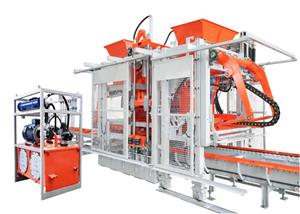
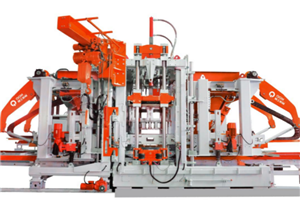
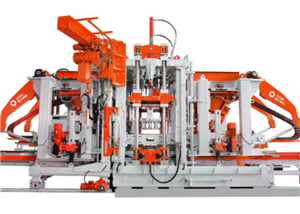
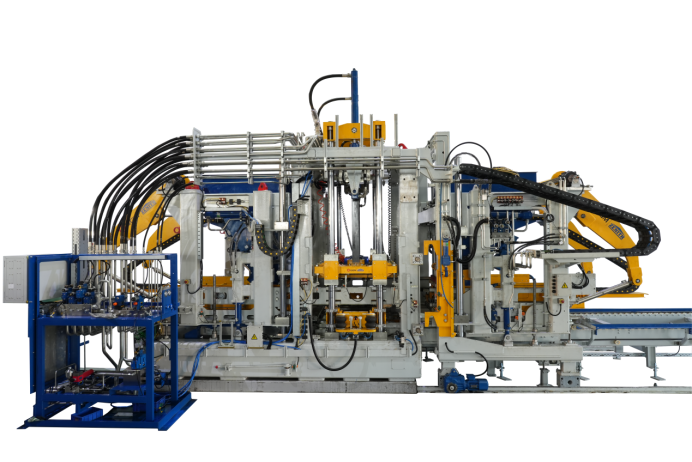
For projects requiring automated production and flexibility across different concrete products, the QGM Zenith ZN1500-2 Automatic Concrete Block Molding Machine is one model worth evaluating.
4.1 Technology That Supports Flexible Production
The ZN1500-2 is designed to manufacture a wide range of standard concrete products. QGM's published product information highlights its servo vibration system, quick mold changing system, automatic diagnosis and integrated control technology.
4.2 Ultra Dynamic servo vibration system
The Zenith Ultra Dynamic vibration system is designed to provide rapid response and flexible adjustment of vibration parameters. This allows the forming process to be adapted to different product requirements.
For buyers, the relevant consideration is whether this level of vibration control matches the intended product range and forming requirements.
4.3 Quick mold changing system
The ZN1500-2 uses a dedicated quick mold changing arrangement. A quick mold change system can save more than 15 minutes per changeover, helping block making machine operators reduce downtime, improve production efficiency, and switch between concrete block products more quickly.Actual changeover time depends on the applicable setup and operating conditions.
For a factory manufacturing multiple product types, shorter mold changeovers can help simplify production scheduling and reduce time spent switching between specifications.
4.4 Bolted machine frame and modular maintenance
QGM's Zenith product information describes a bolted machine frame incorporating major structural assemblies. The design allows individual components and modules to be accessed for maintenance or replacement.
This is relevant when assessing maintenance procedures, access to wear parts and the practical requirements of servicing the equipment.
4.5 Siemens control system and visualized operation
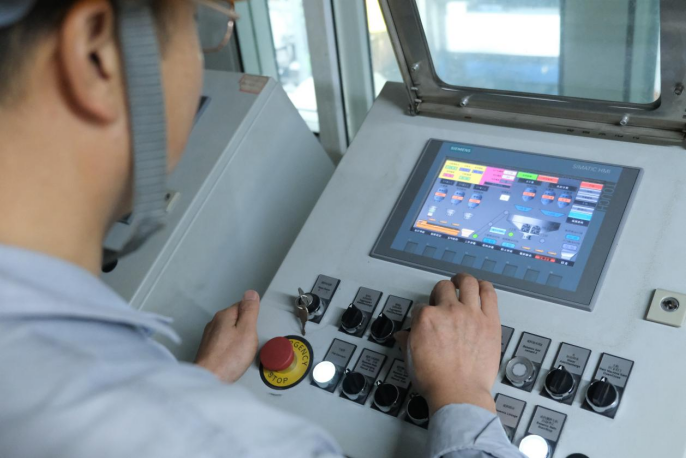
The ZN1500-2 uses a Siemens S7-series control system with a visual operating interface. The system supports machine control and allows operators to manage equipment functions through a centralized interface.
4.6 Intelligent equipment cloud service
QGM's Intelligent Equipment Cloud Service Platform supports functions such as online equipment monitoring, remote upgrades, fault prediction and diagnosis, and equipment health assessment, depending on the applicable configuration.
For overseas projects, these capabilities can form part of the broader discussion about equipment monitoring and technical support.
5.Is the ZN1500-2 the Right Choice for Every Project?
Not necessarily. A technically advanced machine still needs to match the project's production requirements and available budget.
The ZN1500-2 is worth evaluating when a plant requires a broad product range, automated operation and the flexibility provided by its forming and mold-changing systems. Other configurations may be more appropriate for projects with different output targets, product requirements or investment constraints.
The best way to determine suitability is to compare the machine's specifications with the intended products, required output, plant layout and overall production-line configuration.
Rather than choosing a model based on its name or feature list alone, buyers should work through these requirements with the equipment supplier before finalizing the quotation.
Conclusion: Compare the Complete Solution, Not Just the Machine Price
The price of a fully automatic block making machine reflects a combination of production capacity, forming technology, automation, molds, component configuration, installation requirements and service support.
For buyers, the most reliable approach is to define the target products, estimate realistic output and compare quotations covering equivalent equipment and services. The cost of the complete production system should be considered alongside the main machine.
QGM offers different block-making configurations, including the ZN1500-2 for projects that require automated operation and flexibility across multiple concrete product types. The right choice depends on the factory's actual requirements rather than on the number of features a machine offers.
Planning a new concrete block production line or upgrading an existing plant? Share your target block types, required production capacity, available raw materials, and project location with QGM. Our team can help you select suitable block making machines and evaluate the right production line configuration for your manufacturing needs.
FAQ
1. What determines the price of a fully automatic block making machine?
The main factors are production capacity, automation level, forming technology, mold configuration, component specifications, auxiliary equipment, installation and after-sales support. The final quotation also depends on the scope of supply.
2. How much does a fully automatic concrete block production line cost?
There is no universal price. The investment depends on the required output, product range, machine configuration, automation level, plant layout and equipment included in the package. A project-specific quotation is needed for an accurate estimate.
3. Is a more expensive block making machine always better?
No. The machine should be selected according to product requirements, production volume, operating conditions and budget. Advanced features are valuable when they address real production needs, but they do not automatically make a configuration suitable for every factory.
4. What should I check before accepting a block machine quotation?
Confirm the machine specifications, target-product output, mold configuration, auxiliary equipment, installation and commissioning scope, training, spare parts arrangements and technical support. Make sure you understand which items are included and which are charged separately.
5. What are the advantages of the QGM Zenith ZN1500-2?
QGM's published specifications highlight the ZN1500-2's servo vibration system, quick mold changing system, automatic diagnosis and Siemens control system. These features are relevant to automated production and product flexibility, subject to the selected configuration and operating requirements.