How to Maximize the Lifecycle Value of a Block Making Machine
Choosing a block making machine is an important investment decision for any concrete product manufacturer. While the initial purchase price is often the first factor considered, the actual value of production equipment depends on much more than its upfront cost.
Energy consumption, production efficiency, maintenance requirements, equipment reliability, product flexibility, and service life all influence the long-term return on investment.
For this reason, manufacturers should evaluate a block making machine from a lifecycle perspective rather than comparing equipment only by purchase price.
A well-designed machine should not only deliver stable production today but also maintain its productivity and adaptability as market requirements evolve.
This article explains the key factors that determine the long-term value of a concrete block machine and how advanced manufacturing technologies can help manufacturers achieve more reliable and efficient production.
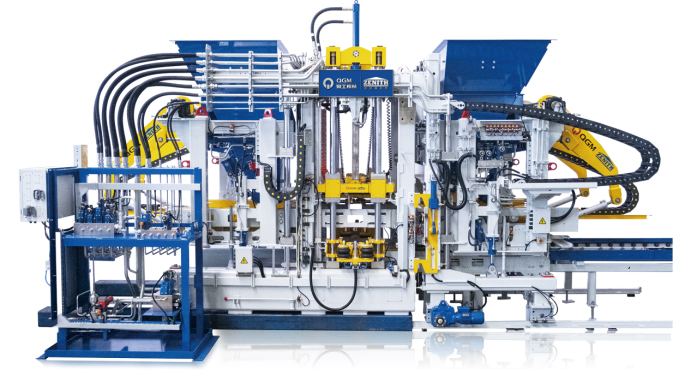
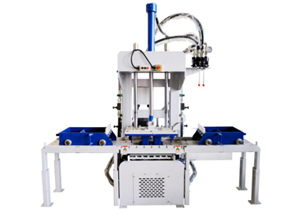
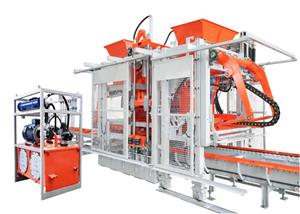
△ QGM Automatic Block Machine for Efficient Concrete Product Manufacturing
Understanding the Real Value of a Block Making Machine
The primary function of a block making machine is to form concrete mixtures into finished products with consistent dimensions, density, strength, and surface quality.
However, the value of a block making machine goes far beyond its forming performance. Throughout the equipment lifecycle, machine efficiency and reliability can have a direct impact on production output, energy consumption, labor requirements, product consistency, maintenance needs, unexpected downtime, and the flexibility to manufacture different concrete products. These factors ultimately influence both operating costs and the overall profitability of a concrete block production line.
For this reason, manufacturers should evaluate a block making machine based on its Total Cost of Ownership (TCO) rather than focusing solely on the initial purchase price. A comprehensive TCO assessment provides a more accurate view of the equipment’s long-term economic value and helps manufacturers make better-informed investment decisions when selecting concrete block production equipment.
The lifecycle cost of a production system can include equipment investment, energy and labor expenses, maintenance, spare parts, downtime, and future upgrades.
A machine with a higher initial investment can therefore provide better overall value if it delivers greater productivity, reliability, and service life.
Production Stability for Long-Term Manufacturing
Production stability is one of the most important indicators of equipment performance.
A reliable concrete block machine should maintain consistent forming conditions during continuous production. Stable operation helps manufacturers control product quality while reducing unexpected interruptions.
Production stability in concrete block manufacturing depends on the coordinated performance of several critical machine systems, including vibration efficiency, hydraulic forming precision, consistent material feeding, mechanical accuracy, and reliable electrical controls. When these systems operate in harmony, a modern block making machine can maintain more consistent production cycles, minimize batch-to-batch variations, and support stable concrete product quality.
For high-volume concrete product manufacturers, reliable production performance is especially important because unexpected equipment downtime can disrupt delivery schedules, increase labor and material waste, and reduce overall plant efficiency. Choosing an automatic block making machine with precise forming systems, dependable controls, and stable operating performance can help manufacturers minimize production risks, improve productivity, and maintain efficient long-term concrete block production.
Energy Efficiency and Operating Cost
Operating cost is another major factor in determining the long-term value of a block production system.
A machine operates through multiple systems, including vibration, hydraulic forming, material handling, and control components. The efficiency of these systems directly influences daily energy consumption.
Modern automatic block machines combine intelligent control systems with optimized motion and forming technologies to deliver power more precisely throughout the production cycle. By matching energy input with actual forming requirements, advanced concrete block production equipment can reduce unnecessary energy consumption while maintaining stable forming performance and consistent product quality.
Improved energy efficiency can also help manufacturers optimize production cycles, reduce mechanical stress, increase overall equipment productivity, and control long-term operating costs. For concrete product manufacturers running multiple shifts or high-volume production schedules, even incremental improvements in energy efficiency can generate meaningful savings and enhance the total lifecycle value of an automatic block machine.
Product Flexibility for Changing Market Requirements
Modern concrete product manufacturers increasingly need equipment that can support a broader product portfolio rather than being limited to standard concrete blocks. Depending on regional construction demand and project requirements, a versatile block making machine may be used to manufacture solid blocks, hollow blocks, interlocking paving blocks, permeable pavers, curbstones, landscaping products, and other customized precast concrete products. This flexibility allows manufacturers to serve different market segments and respond more effectively to changing customer requirements.
For companies involved in road construction, urban landscaping, municipal infrastructure, and commercial development, selecting a paving block machine with flexible mold configurations and adjustable production parameters can create valuable opportunities for product diversification. A reliable concrete paving block machine should maintain stable performance while providing precise control over material distribution, vibration, compaction, and mold positioning, helping manufacturers achieve consistent product quality across different applications.
By combining flexible production capabilities with reliable forming technology, a modern paving block making machine can improve equipment utilization, support faster product changeovers, and enable manufacturers to expand their product portfolio without compromising production stability. This makes production flexibility an important factor when evaluating the long-term value of concrete block manufacturing equipment.
Precision Forming for Consistent Concrete Products
The quality of finished concrete products is closely related to the precision of the forming process.
During production, factors such as material distribution, vibration intensity, forming pressure, and mold alignment influence the final product.
An advanced block making machine enables manufacturers to precisely manage key forming parameters, ensuring greater control over the production process and more consistent concrete product quality. Accurate parameter control helps maintain uniform product dimensions, consistent density and compressive strength, stable surface finish, and minimal variation between production batches.
By improving forming precision and process consistency, modern concrete block machines help manufacturers reduce quality fluctuations, minimize production defects, and achieve more reliable output. This level of process control is particularly valuable for high-volume concrete product manufacturing, where dimensional accuracy and consistent quality are essential for meeting customer and construction requirements.
A high-performance automatic block machine therefore contributes not only to production capacity but also to the consistency of finished products.
Flexible Production Through Mold Change Technology
Mold technology plays a critical role in determining the product range and production flexibility of a concrete block manufacturing system. A block making machine equipped with efficient mold replacement capabilities allows manufacturers to switch between different product types more easily and adapt production to changing customer requirements. For example, the same production line can be configured to manufacture standard concrete blocks during one production cycle and then switched to paving blocks or curbstones when market demand changes.
Rapid or automated mold change systems can significantly reduce production changeover time, manual intervention, equipment idle periods, and the complexity of switching between product designs. By improving mold change efficiency, manufacturers can maximize equipment utilization, diversify their concrete product portfolio, and reduce reliance on a single product category. This makes flexible mold technology an important consideration when selecting a modern block making machine for long-term production growth.
Equipment Reliability and Maintenance
The long-term value of a block making machine depends not only on its production capacity but also on equipment reliability, maintainability, and ease of service. Even a high-capacity concrete block production line may fail to achieve its expected return on investment if frequent equipment failures result in unplanned downtime. When evaluating a block making machine, manufacturers should therefore pay close attention to the design, durability, and accessibility of critical components, including hydraulic and vibration systems, transmission mechanisms, electrical controls, sensors, molds, and other wear parts.
Preventive maintenance is equally important for maintaining stable production performance. Regular inspections can identify component wear and potential faults at an early stage, helping manufacturers avoid costly breakdowns and extended production interruptions. A reliable block machine supplier should also provide professional technical support and access to genuine spare parts throughout the equipment lifecycle. Comprehensive maintenance and after-sales support enable manufacturers to preserve machine performance, minimize unplanned downtime, and maximize the long-term value of their concrete block production equipment.
Upgradeability and Extended Service Life
As construction technology, product requirements, and market conditions continue to evolve, manufacturers need concrete production equipment that can adapt to changing demands. The long-term value of a block making machine therefore depends not only on its current performance but also on its ability to incorporate future improvements. A well-designed production system should provide the flexibility to upgrade selected components and control functions when new technologies or production requirements emerge.
Potential upgrade areas may include intelligent control systems, digital production monitoring, automation functions, vibration technology, material handling equipment, and mold systems. By adopting a modular and upgradeable block production system, manufacturers can improve equipment performance, introduce new production capabilities, and extend the effective service life of their assets without replacing the entire production line.
For manufacturers planning long-term investments, upgradeability can help reduce equipment replacement costs, protect production capacity, and maintain competitiveness as market requirements change. This makes future upgrade potential an important consideration when evaluating the lifecycle value of an automatic block machine and planning a sustainable concrete product manufacturing operation.
Quick Reference: Key Factors Affecting Block Machine Lifecycle Value
Factor | Key Consideration |
Production stability | Consistent output and reduced downtime |
Energy efficiency | Lower operating cost and optimized production |
Product flexibility | Ability to manufacture different concrete products |
Forming precision | Consistent dimensions, density, and surface quality |
Mold flexibility | Faster adaptation to different product requirements |
Maintenance | Easier servicing and reliable spare parts |
Upgradeability | Longer effective equipment service life |
Technical support | Professional installation, training, and lifecycle assistance |
The right equipment should provide a balanced combination of these factors rather than maximizing only one performance indicator.
QGM Automatic Block Machine Solutions for Long-Term Production
With more than 40 years of experience in concrete block manufacturing technology, QGM provides integrated equipment and production solutions for concrete product manufacturers across global markets. By combining advanced forming technology, high-performance vibration systems, precision hydraulic control, and intelligent automation, QGM automatic block machines are designed to deliver stable production performance, consistent product quality, and efficient operation.
Depending on machine configuration, mold selection, and application requirements, QGM concrete block production solutions can support the manufacture of a wide range of products, including solid and hollow concrete blocks, paving blocks, interlocking pavers, permeable paving products, curbstones, and customized concrete products. This production flexibility enables manufacturers to serve diverse construction, infrastructure, landscaping, and municipal applications while adapting their product portfolio to changing market demand.
QGM also provides production solutions based on customer requirements, including product specifications, target capacity, raw materials, factory conditions, and automation objectives.
From initial equipment selection and production-line planning to installation, commissioning, operator training, and ongoing technical support, QGM focuses on helping manufacturers achieve reliable long-term production performance.
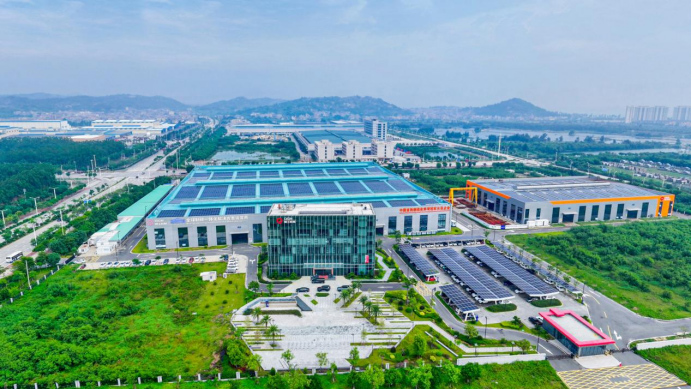
△QGM: Your Global Partner for Automatic Block Machine Solutions
Looking for the Right Block Machine for Your Production Requirements?
The best block making machine is not necessarily the one with the lowest purchase price. It is the equipment that provides the right balance of productivity, reliability, flexibility, operating efficiency, and lifecycle value for your specific application.
If you are planning a new concrete product factory, expanding production capacity, or upgrading an existing production line, QGM can help evaluate your requirements and develop a suitable equipment configuration.
Contact QGM today to discuss your production requirements and explore a reliable automatic block machine, paving block machine, or complete concrete block production solution.
FAQs
1. What determines the lifecycle value of a block making machine?
Lifecycle value is determined by production efficiency, energy consumption, maintenance requirements, reliability, product flexibility, equipment service life, and upgrade potential—not just the initial purchase price.
2. How can an automatic block machine reduce operating costs?
An automatic block machine can reduce labor dependency and improve production consistency through automated material handling, intelligent control, optimized forming cycles, and coordinated production processes.
3. Can one paving block machine produce different concrete products?
Depending on its configuration and mold system, a paving block machine can produce different products such as interlocking pavers, permeable paving blocks, curbstones, and other concrete products.
4. Why is mold flexibility important for a block making machine?
Flexible mold configurations allow manufacturers to produce different product types and respond to changing market demand without investing in a completely separate production system.
5. How can manufacturers extend the service life of a concrete block machine?
Regular preventive maintenance, timely replacement of wear parts, proper operation, professional technical support, and appropriate equipment upgrades can help maintain performance and extend the effective service life of a concrete block machine.