How to Choose the Right Concrete Block Machine for Your Production Needs
Choosing the right concrete block machine requires evaluating production capacity, product requirements, automation level, raw material conditions and long-term operating costs. The most suitable machine is one that matches your current manufacturing needs while providing the flexibility to accommodate future business growth. By comparing these factors before purchasing equipment, concrete product manufacturers can make more informed decisions about production efficiency, product quality and investment requirements.
Different block production operations have different priorities. A small manufacturer serving local construction projects may need a compact, straightforward production system, while a large precast concrete producer may require a fully automatic line for continuous, high-volume manufacturing. Understanding the technical and operational differences between available solutions is therefore essential to selecting the right equipment.
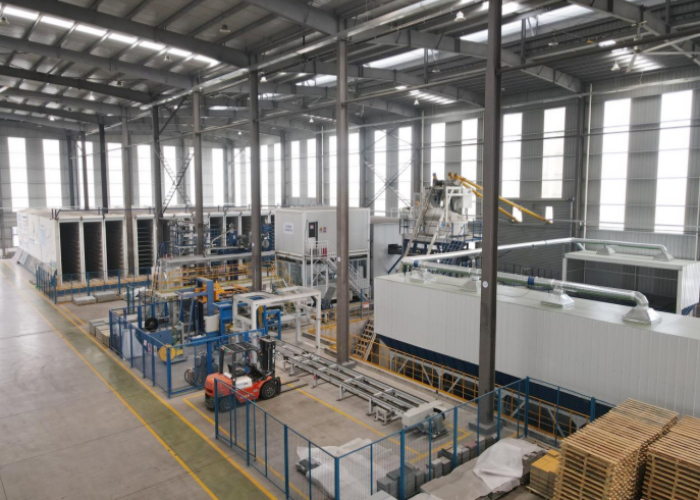
1. Production Capacity: Matching Machine Output to Business Requirements
Production capacity is one of the first factors to evaluate when choosing a block making machine. The equipment must be capable of meeting expected demand without creating unnecessary investment or production bottlenecks.
Manufacturers should consider current order volumes, working hours, product mix and anticipated market expansion before deciding on machine capacity.
Small- and Medium-Scale Production
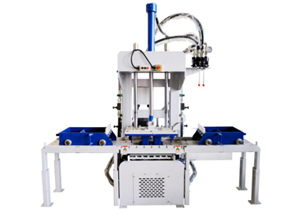
For manufacturers supplying local builders or regional construction markets, a compact block machine may provide an appropriate balance between production capability, investment requirements and operational complexity.
These operations may prioritize straightforward production management, accessible maintenance and the ability to manufacture products suited to their local customer base. The appropriate configuration depends on the expected output, available workforce and product specifications.
Large-Scale Concrete Product Manufacturing
Companies supplying infrastructure developments, commercial construction projects or broader distribution networks may need a higher-capacity production system.
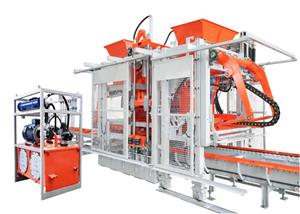
A fully automatic concrete block production line for high-volume manufacturing can integrate forming equipment with material handling, pallet transportation and other production stages. Depending on the configuration, automation can reduce manual intervention and help maintain a more consistent production workflow.
The key is to select capacity based on realistic demand and the intended operating schedule. An undersized machine may restrict order fulfillment, while excessive capacity can increase the initial investment without corresponding production needs.
2. Product Range and Mold Flexibility: Evaluating Manufacturing Versatility
The types of concrete products a machine can manufacture determine how well it fits a manufacturer's target markets. Before purchasing equipment, buyers should identify the products they intend to produce and check whether the machine supports the required molds and forming configurations.
Depending on the machine design, mold configuration and production process, a concrete block making machine may be used to manufacture:
- Solid concrete blocks
- Hollow concrete blocks
- Interlocking paving blocks
- Permeable concrete pavers
- Kerbstones
- Other concrete landscaping products
For manufacturers serving road construction, municipal works and outdoor landscaping projects, a suitable concrete paving block machine for multiple product types can support a broader product portfolio when the equipment and mold system are designed for those applications.
Why Mold Compatibility Matters
Mold compatibility affects which products can be manufactured on a particular machine and how easily production can be changed between product types. Buyers should confirm the supported mold dimensions, product height range, changeover requirements and compatibility with their planned concrete products.
A versatile machine can offer greater production flexibility, but not every machine can manufacture every type of block or paver. Product capability must be verified against the machine's technical specifications and the molds required for each application.
3. Automation Level: Balancing Process Control and Operational Requirements
Automation affects how materials and products move through the production process, how much manual intervention is required and how consistently operating sequences can be repeated.
The appropriate automation level depends on production volume, workforce availability, investment budget, plant layout and plans for future expansion.
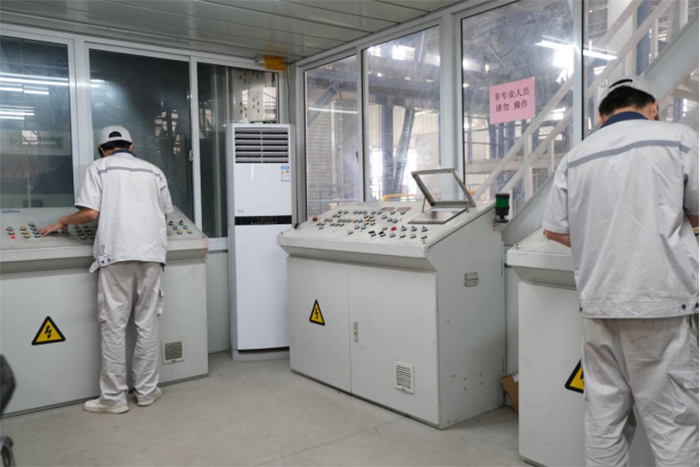
Semi-Automatic Block Production Systems
Semi-automatic equipment can be suitable for smaller operations or manufacturers that prefer a more gradual investment in production automation.
Depending on the configuration, operators may need to participate in material transfer, pallet handling or other production activities. This arrangement can provide operational flexibility, but the actual labor requirements depend on the equipment layout and workflow.
Manufacturers considering a semi-automatic concrete block machine for small-scale production should assess the tasks that remain manual, the available workforce and the expected production schedule.
Fully Automatic Block Production Systems
A fully automatic block making machine can incorporate PLC control, automated material handling, pallet transportation and production monitoring, depending on the selected configuration.
These functions coordinate production stages and reduce the need for manual intervention in routine operations. They can also help maintain repeatable operating sequences and support more organized production management.
For manufacturers planning larger output volumes or future capacity expansion, automation should be evaluated as part of the complete production system rather than as an isolated machine feature.
The decision between semi-automatic and fully automatic equipment should account for both the initial investment and the operational requirements of the intended production process.
4. Investment and Operating Costs: Look Beyond the Purchase Price
The purchase price is only one component of the cost of acquiring and operating a concrete block machine. A more complete assessment considers the expenses associated with installation, production, maintenance and equipment downtime over its service life.
This approach is commonly referred to as Total Cost of Ownership (TCO).
What Should Be Included in a TCO Assessment?
A practical evaluation can cover three main areas:
Initial investment
- Equipment purchase price
- Installation and commissioning expenses
- Required production line configuration
Operating expenses
- Electricity and other energy requirements
- Labor
- Routine maintenance
- Spare parts and component replacement
Long-term operating considerations
- Equipment reliability
- Production interruptions and downtime
- Service life
- Potential resale value
A machine with a lower initial price may still incur higher ownership costs if it requires frequent repairs, experiences unstable operation or causes significant production interruptions. Conversely, the financial benefit of a more advanced machine depends on its actual operating performance, maintenance needs and utilization rate.
For this reason, buyers should compare equipment using consistent assumptions about output, working hours, energy use, labor and maintenance. A concrete block machine with low long-term operating costs should be evaluated using verifiable operating data rather than purchase price alone.
5. Raw Material Compatibility: Confirming Production Requirements
Concrete block production relies on raw materials whose availability and characteristics vary by region. Natural aggregates, fly ash, slag and recycled construction materials may be used in different production applications, depending on the concrete mix design and intended product.
A machine's suitability for a particular material cannot be determined from its product name or general specifications alone. The material mix, moisture content, aggregate characteristics, forming process and finished-product requirements all influence production conditions.
When assessing a concrete block making machine for recycled construction materials, manufacturers should confirm that the proposed equipment and process are compatible with the intended mix and product specifications.
Where alternative raw materials are involved, production trials and technical consultation can help establish suitable operating parameters. Material compatibility should be verified before assuming that a machine can process every locally available resource.
6. Equipment Reliability and Technical Support: Planning for Consistent Operation
Machine reliability affects production continuity, maintenance requirements and the ability to fulfill customer orders. Buyers should therefore review the mechanical structure, forming system, vibration technology, control system and maintenance requirements of the proposed equipment.
These components work together during the production process. Their suitability depends on the machine design and the products being manufactured.
However, equipment specifications are only part of the evaluation. Installation guidance, operator training, spare parts availability and ongoing technical assistance can also influence how effectively a production line operates over time.
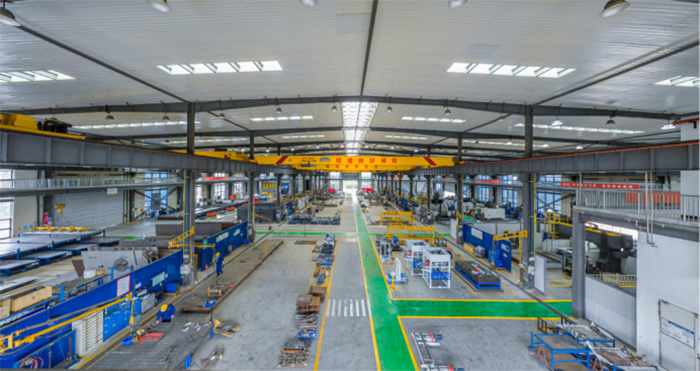
What to Check When Evaluating a Supplier
Before making a purchase, manufacturers should establish whether the supplier can provide:
- Installation and commissioning guidance
- Operator training
- Spare parts support
- Routine maintenance guidance
- Technical assistance when production problems arise
A concrete block machine supplier with installation and after-sales support can help manufacturers prepare for equipment commissioning and ongoing operation. Buyers should verify the actual service scope, response arrangements and parts availability relevant to their location.
7. Application Requirements: Matching the Machine to the Products You Manufacture
The right equipment also depends on the intended application. Different concrete products have different dimensions, forming requirements and quality expectations, so buyers should begin with their product specifications rather than selecting a machine solely by its general capacity.
Product category | Key selection consideration |
Solid and hollow concrete blocks | Product dimensions, mold compatibility and required output |
Interlocking paving blocks | Mold configuration, product geometry and forming requirements |
Permeable pavers | Product specifications and compatibility with the intended concrete mix |
Kerbstones | Product dimensions, mold arrangement and machine working range |
Landscaping concrete products | Product variety, surface requirements and mold flexibility |
For manufacturers supplying several product categories, the ability to change molds and manage different production requirements may be an important consideration. The specific products supported by a machine should always be confirmed with the equipment manufacturer.
Why Consider QGM Concrete Block Production Solutions?
With more than 40 years of experience in concrete block manufacturing technology, QGM (Quangong Machinery Co., Ltd.) provides equipment and production solutions for concrete product manufacturers in global markets.
Its equipment range includes automatic block making machines and production systems designed for different manufacturing requirements. Depending on the selected model and configuration, available technologies may include vibration systems, hydraulic forming systems, PLC control, mold solutions and production management functions.
QGM solutions can be configured for manufacturing products such as concrete blocks, hollow blocks, paving blocks, kerbstones and other concrete products, subject to the machine's capabilities and mold configuration.
When evaluating equipment, manufacturers should match the proposed model to their output targets, product specifications, raw material conditions, automation requirements and plant layout. QGM can provide application discussions and technical guidance to help buyers identify an appropriate production configuration.
Conclusion: Choose Equipment Based on Production Fit
Choosing the right concrete block machine involves more than comparing nominal output or purchase price. Production capacity, mold flexibility, automation, raw material compatibility, operating costs, reliability and supplier support all influence whether a machine fits a manufacturer's actual requirements.
The most appropriate solution is the one that can produce the intended products within the required operating conditions and investment limits. By confirming these factors before purchase, manufacturers can reduce selection risks and build a production system aligned with their business objectives.
FAQs
1. How do I choose the right concrete block machine for my business?
Start by identifying your target products, expected production volume, automation requirements, available raw materials and investment budget. Then compare machine specifications, mold compatibility, operating requirements and supplier support against those needs.
2. What factors should I compare before buying a block making machine?
Key considerations include production capacity, supported product dimensions, mold flexibility, automation level, energy requirements, maintenance needs, raw material compatibility and total cost of ownership.
3. Should I choose a semi-automatic or fully automatic block machine?
The decision depends on production volume, workforce availability, investment budget and future expansion plans. Semi-automatic equipment may suit smaller operations, while fully automatic systems can support more integrated production workflows. The appropriate choice depends on the specific configuration and operating requirements.
4. Can one concrete block machine manufacture both blocks and paving products?
Some machines can manufacture different product types by changing molds, provided the equipment supports the required dimensions and forming process. Confirm compatibility for each intended product before purchasing.
5. Why is total cost of ownership important when selecting a concrete block machine?
Total cost of ownership considers expenses beyond the purchase price, including installation, energy, labor, maintenance, spare parts and downtime. It provides a broader basis for comparing equipment over its expected service life.