3 Essential Hydraulic Maintenance Practices for Block Making Machines
The hydraulic system is one of the most important power and control systems in a modern block making machine. It provides the pressure and controlled movement required for key machine functions, and any significant hydraulic failure can bring an entire concrete block production line to a standstill.
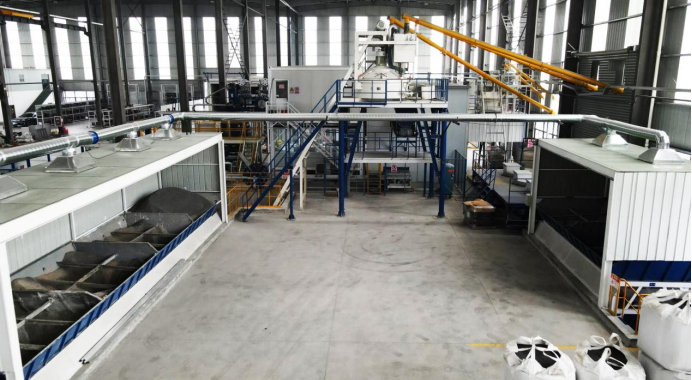
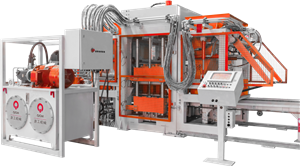
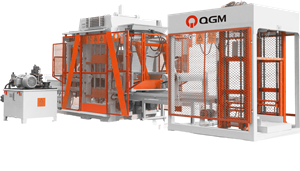
△QGM Concrete Block Production Line for Efficient and Automated Manufacturing
However, hydraulic system reliability is not determined by machine specifications alone.
Two block making machines operating under similar production conditions can have very different service lives. One may begin experiencing oil leakage, unstable pressure, or slow hydraulic movements after only a few years, while another can remain in reliable service for many years with only routine maintenance and replacement of wear components.
In many cases, the difference comes down to maintenance discipline.
For manufacturers operating an automatic block making machine, a consistent hydraulic maintenance program can help detect problems early, reduce unexpected downtime, and protect critical components such as hydraulic pumps, valves, cylinders, and seals.
Here are three practical maintenance practices that can make a significant difference to long-term hydraulic performance.
1. Check Hydraulic Oil Level and Pressure Before Startup
A reliable maintenance routine begins before the production cycle starts.
Before operating a concrete block making machine, operators should inspect the hydraulic power unit and check two basic indicators: the hydraulic oil level and the pressure gauge.
These simple checks require only a few minutes but can provide an early indication of potential hydraulic problems.
Monitor the Hydraulic Oil Level
The hydraulic oil level should remain within the recommended range shown on the machine's oil level indicator.
If the level is lower than expected, adding oil should not automatically be the first response. Operators should first determine why the oil level has dropped.
A gradual reduction may indicate a small leak, while a sudden drop can point to a more serious problem in the hydraulic circuit.
Operating a block making machine with insufficient hydraulic oil may affect system performance and increase the risk of pump damage, overheating, or unstable machine movements.
The key principle is simple:A low oil level is often a symptom, not the root cause.
Identifying the cause before production resumes can prevent a minor leakage problem from developing into a major hydraulic failure.
Monitor the Pressure Gauge
The pressure gauge provides another useful indication of hydraulic system condition.
Before startup, the gauge should normally return to zero, unless the equipment manufacturer's operating procedure specifies otherwise. If the gauge does not return to its expected position, the gauge itself may require inspection, or residual pressure may still be present in the hydraulic circuit.
After startup, operators should observe whether system pressure reaches the machine's specified operating range normally and remains stable during production.
For the equipment referenced in the maintenance example, the hydraulic system operates at a pressure of up to 31.5 MPa. This value should not be interpreted as a universal pressure specification for all block making machines, as hydraulic pressure requirements vary according to machine design and configuration.
If pressure takes noticeably longer than usual to build up or becomes unstable during operation, further inspection may be necessary. Potential causes can include reduced pump performance or issues involving components such as the relief valve.
Regular observation of oil level and pressure therefore provides a simple form of condition monitoring for the hydraulic system.
2. Replace the Return-Line Filter Before Contamination Becomes a Problem
Hydraulic contamination is one of the common causes of premature wear in industrial hydraulic systems.
A concrete block production line typically operates in an environment where cement, aggregates, dust, and other fine particles are present. If contaminants enter the hydraulic circuit, they can gradually affect valves, pumps, seals, and other precision components.
The return-line filter plays an important role in controlling this contamination.
It removes particles from hydraulic oil returning to the reservoir, helping reduce the amount of contamination that continues circulating through the system.
Why Regular Filter Replacement Matters
A hydraulic system may operate at relatively high pressure while relying on components with very small internal clearances.
For the hydraulic system described in this example, the operating pressure can reach 31.5 MPa. Under these conditions, contamination control becomes particularly important.
Fine particles can interfere with valve movement, increase component wear, and contribute to unstable hydraulic performance.
A filter that has become heavily contaminated can also restrict oil flow through the return circuit. Increased resistance may contribute to higher oil temperature, which can accelerate the deterioration of seals and other hydraulic components.
For this reason, the return-line filter should be treated as an important maintenance component rather than an inexpensive consumable that can simply be replaced when convenient.
The maintenance practice discussed here recommends replacing the return-line filter once a month, although the actual replacement interval should ultimately follow the equipment manufacturer's maintenance recommendations and the machine's operating environment.
The economics are straightforward:A low-cost filter is far less expensive than a damaged hydraulic pump or control valve.
For operators of an automatic block making machine, regular filter inspection and replacement can therefore be a simple and cost-effective way to protect the hydraulic system.
3. Replace Hydraulic Oil at the Recommended Service Interval
Another common maintenance mistake is assuming that hydraulic oil only needs attention when its level becomes too low.
In reality, hydraulic oil is a working fluid that gradually deteriorates during operation.
Long operating hours, elevated temperatures, oxidation, moisture, and particulate contamination can all affect oil condition over time. As the oil deteriorates, deposits and contaminants may accumulate within the hydraulic system and increase the risk of wear.
For the maintenance practice described in this example, hydraulic oil is replaced once a year, typically during a scheduled annual shutdown.
A Practical Hydraulic Oil Service Procedure
A basic oil replacement procedure can include:
1)Drain the used hydraulic oil from the reservoir.
2) Clean accumulated sludge and contaminants from the hydraulic tank.
3) Refill the system with the appropriate fresh hydraulic oil.
4)Replace the relevant filter elements.
5) Inspect the hydraulic circuit before returning the machine to production.
Performing these tasks together during planned maintenance can reduce the likelihood of contamination remaining in the system.
Why Topping Up Oil Is Not the Same as Replacing It
Simply adding new hydraulic oil can restore the fluid level, but it does not remove contaminants and degraded oil already circulating within the system.
If the existing oil contains fine particles, oxidation products, or other contaminants, newly added oil will eventually become contaminated as well.
This is why maintaining hydraulic oil level and maintaining hydraulic oil condition should be treated as two different maintenance tasks.
Topping up maintains the oil quantity. Scheduled replacement helps maintain oil quality.
For a continuously operating block making machine, maintaining suitable hydraulic oil condition is an important part of protecting pumps, valves, cylinders, and seals over the equipment lifecycle.
A Practical Maintenance Approach for Long-Term Hydraulic Reliability
Effective hydraulic maintenance does not necessarily require complicated procedures or significant additional investment.
A practical routine can be organized around three basic intervals:
Daily
Check the hydraulic oil level and pressure gauge before starting production. Look for signs of leakage or abnormal pressure behavior.
At the recommended filter service interval:
Inspect and replace the return-line filter based on the manufacturer's maintenance schedule and actual operating conditions.
At the recommended oil service interval:
Replace hydraulic oil, clean the hydraulic reservoir, replace relevant filters, and inspect the hydraulic system during scheduled maintenance.
The exact maintenance intervals should always be confirmed against the equipment manufacturer's maintenance documentation rather than applying a single schedule to every block making machine.
Neglecting routine hydraulic maintenance may eventually contribute to problems such as:
●Hydraulic oil leakage
●Unstable system pressure
●Slow machine movements
●Valve malfunction
●Hydraulic pump wear
●Increased operating temperature
●Unplanned production downtime
For a concrete products manufacturer, these problems can affect more than one individual component. A hydraulic failure may interrupt the production sequence from material feeding and molding to handling and palletizing.
Why Hydraulic Maintenance Matters to Block Production
A modern concrete block making machine is part of an integrated production system. Its hydraulic system works together with electrical controls, vibration systems, molds, material feeding equipment, handling systems, and other production components.
When hydraulic performance becomes unstable, the impact can extend beyond one individual component.
For example, inconsistent hydraulic pressure can affect machine movement and forming performance. A slow hydraulic response can reduce production cycle efficiency. Persistent leakage can increase maintenance requirements and create additional operating risks.
This is why hydraulic maintenance should not be viewed simply as a repair activity.
It is part of a broader preventive maintenance strategy designed to keep the production line operating reliably.
Maintenance and Equipment Design Work Together
Good maintenance practices are important, but they work best when combined with sound equipment engineering.
Modern automatic block making machines increasingly incorporate hydraulic systems designed for precise control, stable pressure delivery, and long-term industrial operation.
At the same time, proper maintenance helps preserve the performance of these systems throughout their service life.
For equipment manufacturers and block producers alike, the objective is not simply to make a machine operate today.
The objective is to maintain predictable performance over thousands of production cycles.
This requires a combination of:
* Appropriate hydraulic system design
* Correct operating procedures
* Regular inspection
* Effective contamination control
* Scheduled fluid maintenance
* Timely replacement of wear components
QGM's Approach to Reliable Block Making Equipment
As an established manufacturer of block making machines and concrete block production lines, QGM has continued to develop equipment solutions that combine mechanical engineering, hydraulic technology, automation, and intelligent control.
However, equipment reliability is not determined by technology alone.
For block manufacturers, long-term production performance also depends on correct operation, routine inspection, preventive maintenance, and timely technical support.
A well-maintained hydraulic system can help reduce unexpected downtime, improve equipment availability, and support more predictable production costs throughout the machine's operating life.
Conclusion: Small Maintenance Actions Can Protect Major Production Assets
The hydraulic system of a block making machine may not always attract attention when the production line is operating normally, but its importance becomes immediately apparent when hydraulic performance deteriorates.
Three basic practices can provide a strong foundation for long-term reliability:
*Check the oil level and pressure before daily startup.
*Replace the return-line filter according to the maintenance schedule.
*Replace hydraulic oil regularly instead of relying only on oil top-ups.
These practices are relatively simple, but their value lies in preventing small problems from developing into expensive failures.
For concrete block manufacturers, effective maintenance ultimately means more than protecting hydraulic components. It helps protect production continuity, control maintenance costs, and maximize the useful life of the entire concrete block production line.
Reliable equipment starts with good engineering. Long-term performance is maintained through disciplined operation and preventive maintenance.
FAQ: Block Making Machine Hydraulic System Maintenance
1. How often should the hydraulic oil be replaced in a block making machine?
Hydraulic oil should be replaced according to the machine manufacturer's recommended maintenance schedule and actual operating conditions. For the maintenance practice discussed in this article, the hydraulic oil is replaced once a year during scheduled equipment maintenance.
2. How often should the return-line filter be replaced on a block making machine?
For the equipment maintenance example discussed here, the return-line filter is replaced monthly. Regular filter replacement helps control hydraulic contamination and protect critical components such as pumps and valves.
3. What should be checked before starting a concrete block making machine?
Operators should check the hydraulic oil level and pressure gauge before startup. They should also look for signs of oil leakage or abnormal pressure behavior to identify potential hydraulic problems before production begins.
4. What are the common signs of hydraulic system problems in a block making machine?
Common warning signs include hydraulic oil leakage, slow machine movements, unstable pressure, unusually slow pressure build-up, and abnormal equipment performance. Early inspection can help prevent these issues from developing into major hydraulic failures.
5. How does preventive maintenance improve the reliability of a block making machine?
Regular hydraulic maintenance helps control oil contamination, maintain stable pressure, protect pumps and valves, and identify potential problems at an early stage. For a concrete block production line, this can reduce unexpected downtime, control maintenance costs, and extend the service life of key hydraulic components.