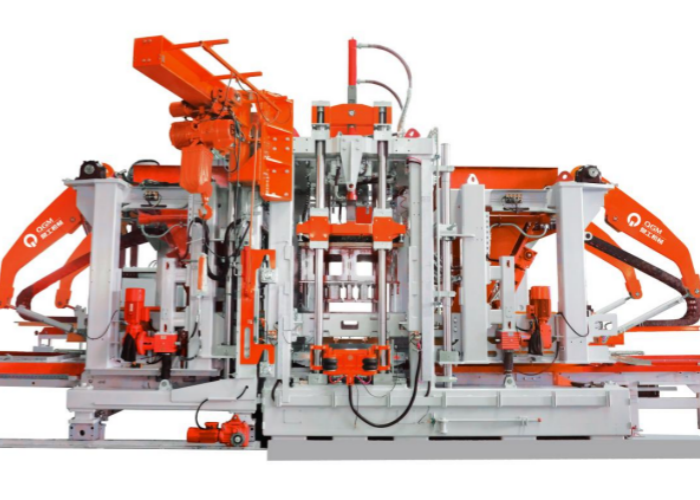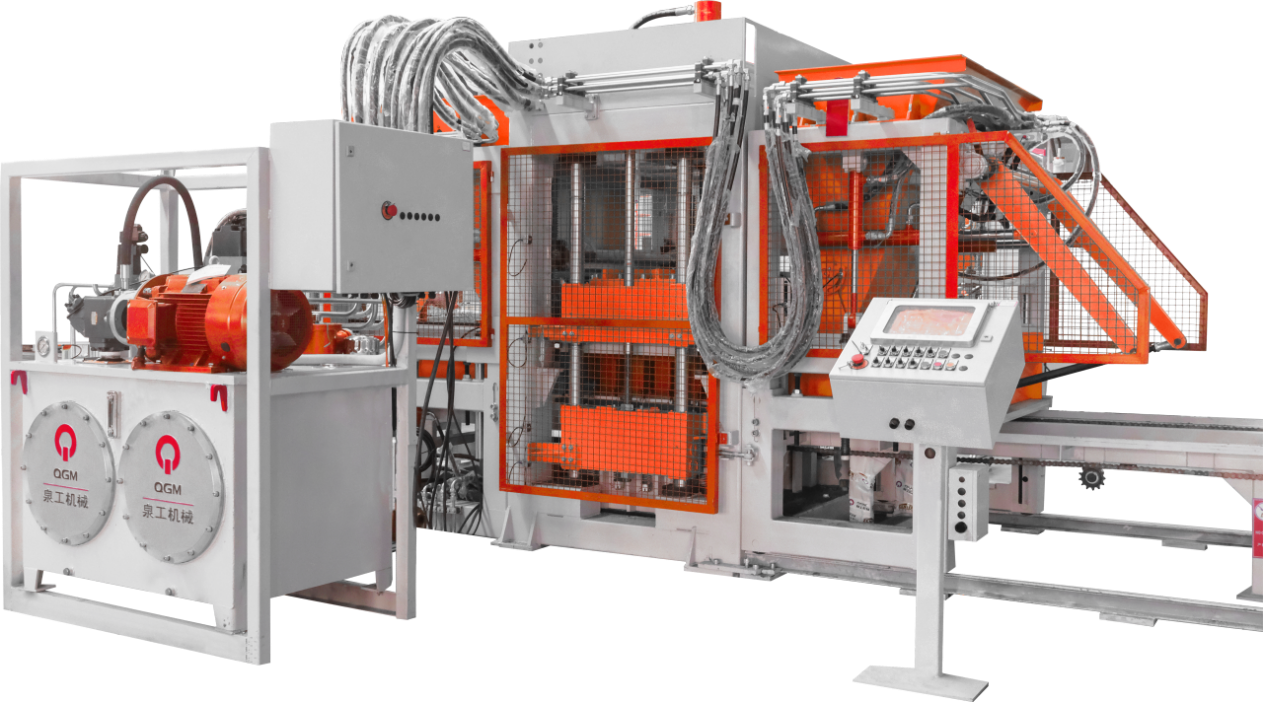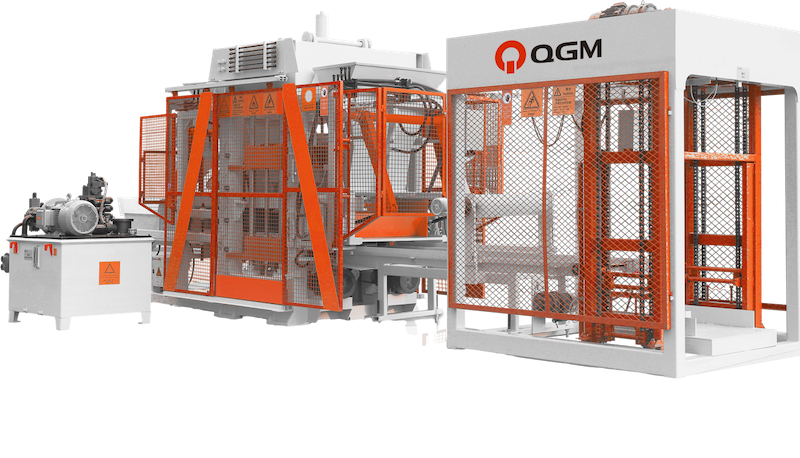
Automatic Concrete Block Making Machine for Multiple Products

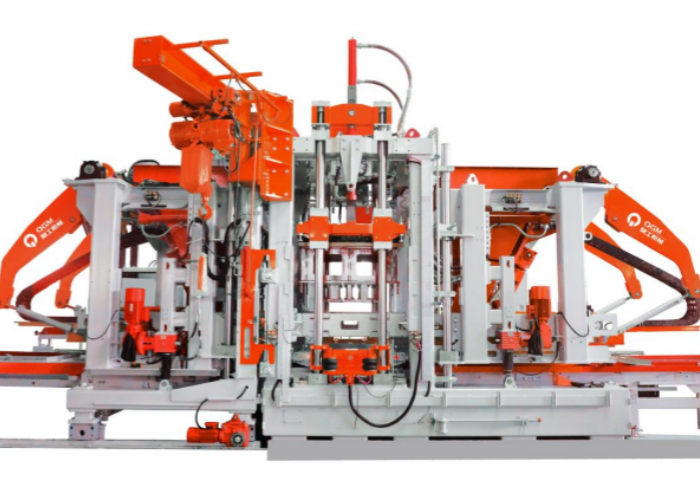
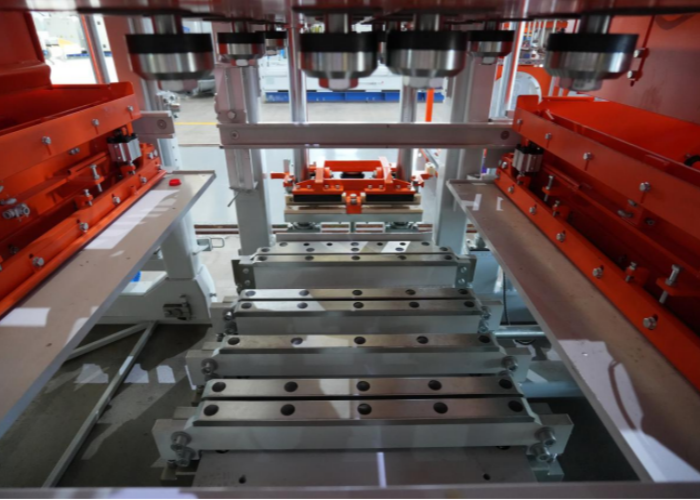
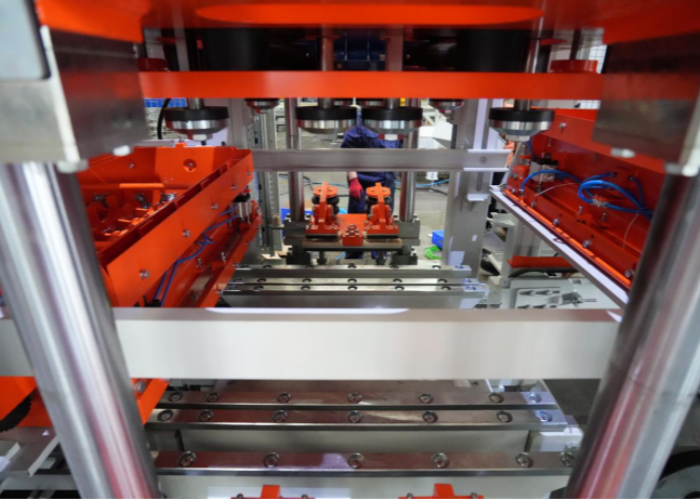
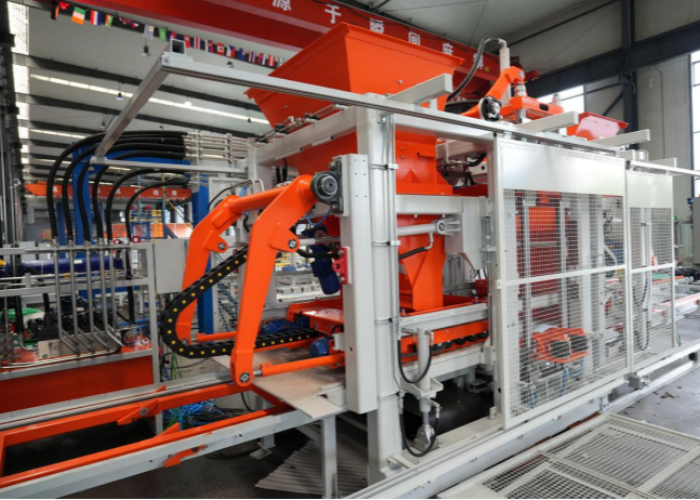
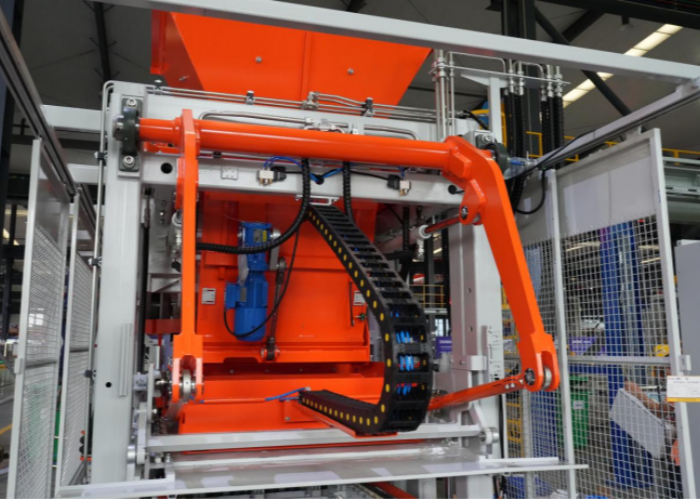
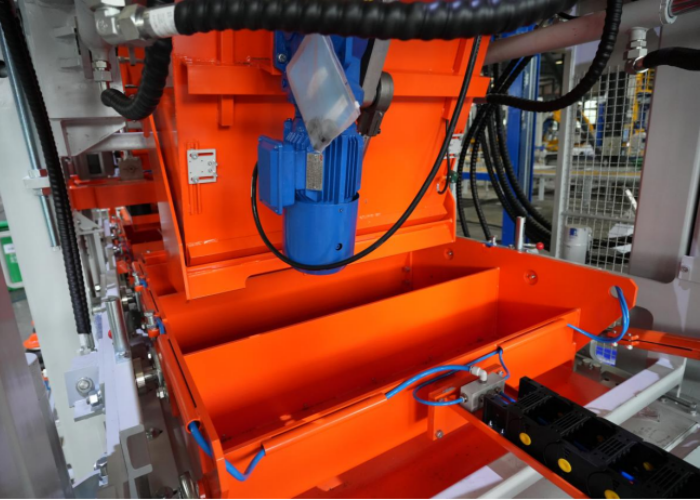
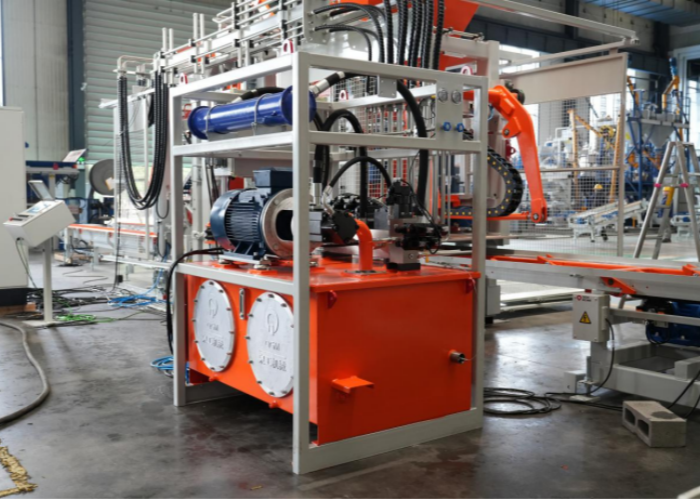
The T18 automatic block making machine combines German engineering with automated forming and flexible mould configurations to produce diverse concrete blocks, pavers, and kerbstones using suitable solid waste materials.
I. Product Overview
The T18 automatic concrete block and paver making machine is designed for manufacturers producing concrete masonry units, paving products, and kerbstones across different product specifications. Combining German engineering technology with QGM's manufacturing expertise, the T18 integrates concrete feeding, vibration-based forming, mould exchange, and hydraulic control into an automated production system.
Beyond conventional concrete mixtures, the machine supports the use of various industrial and construction-related solid waste materials, including metallurgical waste, construction and demolition waste, mining waste, steel slag, coal gangue, fly ash, and furnace slag. The materials used depend on the selected mix formulation and production requirements.
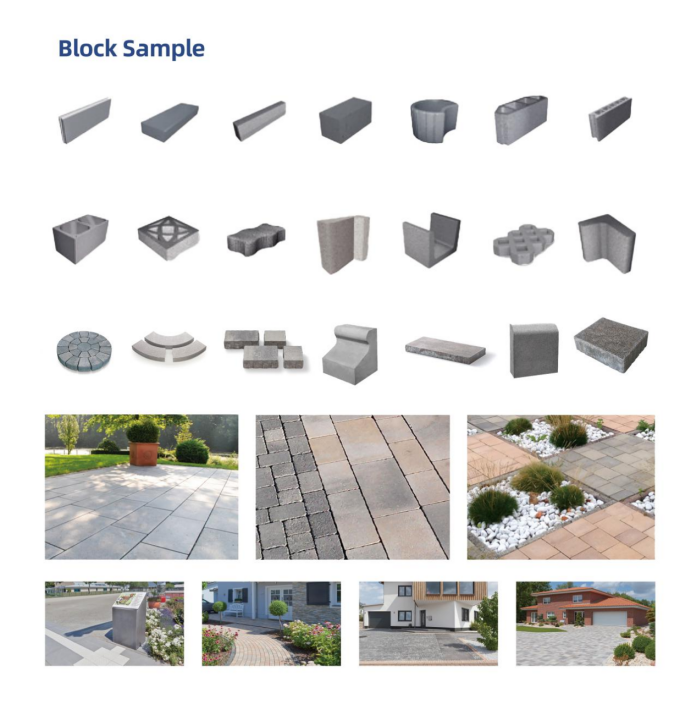
With suitable moulds, the T18 can manufacture hollow concrete blocks, imitation stone PC pavers, conventional paving blocks, permeable pavers, and kerbstones. These products serve applications in building construction, municipal engineering, sponge city development, landscaping, and infrastructure projects.
II. Technical Specifications
Product Types and Production Output | |||
Product | Dimensions (mm) | Blocks/Mould | Output per 8 Hours |
Hollow Block | 400*200*200 | 18 | 21,600-25,200pcs |
Hollow Block | 400*150*200 | 24 | 28,800-33,600pcs |
Paver with Facemix | 200*100*60 | 66 | 1,600-2,100m2 |
Interlock | 225*112.5*60 | 45 | 1,400-1,800m2 |
Curbstone | 1000*300*150 | 6 | 5,220-7,500pcs |
Machine Specifications | |
Parameter | Specification |
Pallet Size | 1400 * 1400 mm / 1400 * 1300 mm |
Product Height | 40–500 mm |
III.Technical Advantages
1. Servo-Controlled Vibration for Different Concrete Mixes and Product Formats
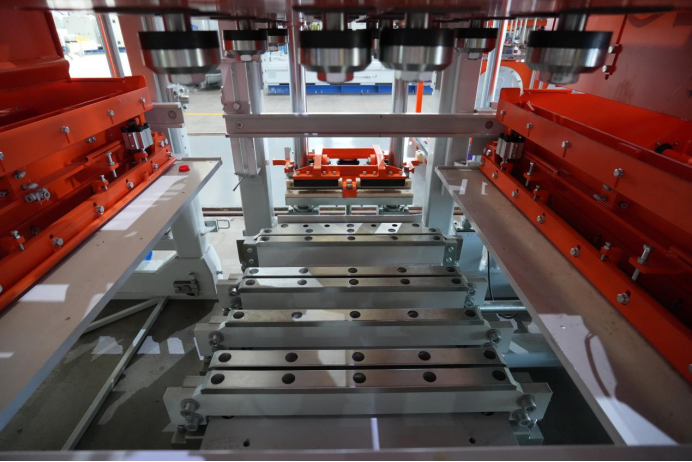
Consistent compaction requires vibration to be matched to the concrete mix and the product being formed. The T18 uses four servo motors to drive four eccentric shafts independently through flexible couplings, providing synchronized control of the vibration system.
The symmetrical shaft arrangement helps counteract horizontal vibration forces while generating strong, stable vertical vibration. By adjusting the eccentric angles, the system provides stepless vibration force control from 0° to maximum amplitude. This adjustability allows vibration settings to be adapted to different product specifications and concrete mix designs, supporting product density and consistent moulding quality.
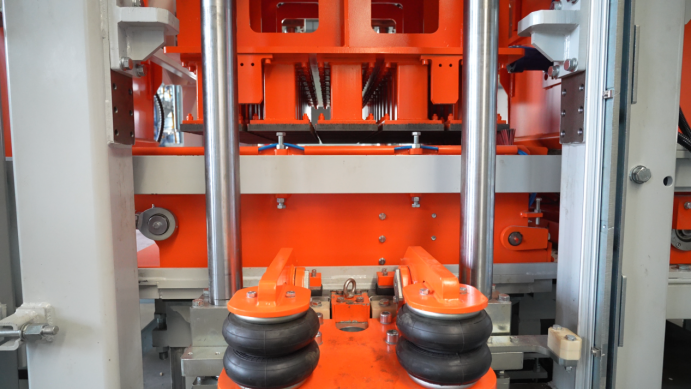
2. Pneumatic Mould Clamping for Secure Fixation During Forming
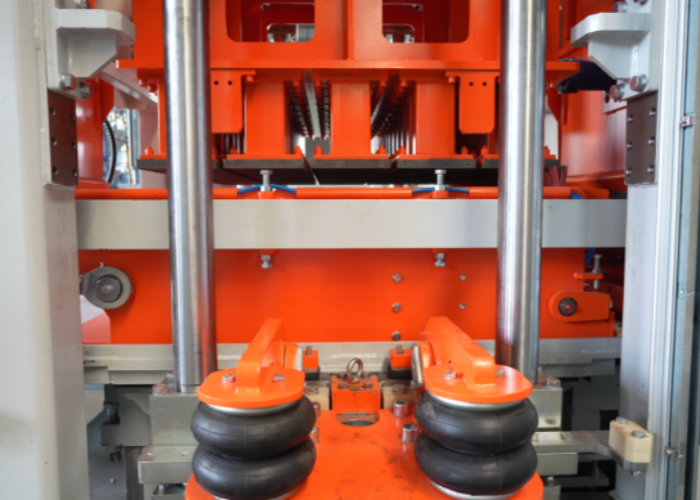
Mould stability is important throughout the vibration process. The T18 uses pneumatic air springs to clamp and release the mould, providing responsive operation, evenly distributed clamping force, and accurate positioning.
Compared with conventional mechanical clamping arrangements, the air spring mechanism simplifies the locking and release process. Secure mould retention during forming helps maintain stable operating conditions, while the quick-release arrangement reduces the time needed for mould changeovers.
3.Quick-Release Tamper Head with Coordinated Vibration
The T18 features an air bag locking assembly that allows the tamper head to be detached and reinstalled without a complicated fastening process. This design makes maintenance access more convenient and helps shorten equipment service interruptions.
To improve compaction performance, vibration motors on both sides of the tamper head operate alongside the machine's primary vibration system. The combined vibration helps distribute compaction more uniformly across the concrete mixture, supporting consistent block density, accurate dimensions, and a well-formed surface finish.
4. Automatic Mould Exchange System for Faster Production Transitions
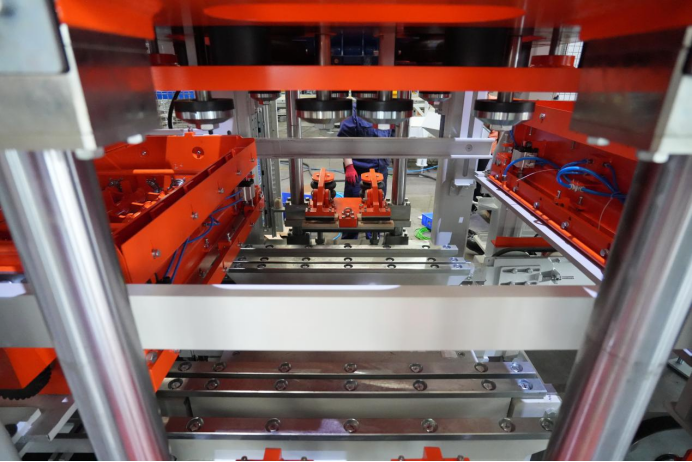
The T18 is designed to simplify the transition between concrete product runs through an automated mould handling system. The device coordinates mould loading, alignment, and removal, reducing the manual steps involved in preparing the machine for a new product specification.
By streamlining mould exchange, the system helps minimize setup interruptions and keeps the production line available for manufacturing. It also gives manufacturers greater flexibility to switch among concrete blocks, pavers, and other mould-compatible products, depending on the installed mould and line configuration.
5. Hydraulic Bottom Feeding for Controlled Material Distribution
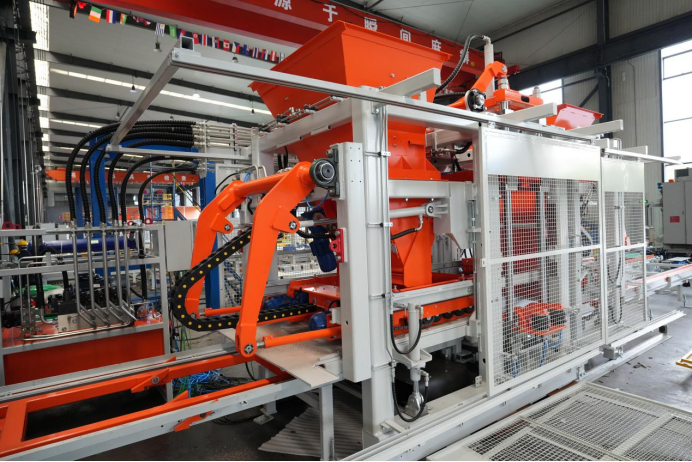
Uniform filling of the mould cavities is an important part of concrete product forming. The T18 uses a hydraulically driven bottom feeding system that regulates cylinder speed and feeding force to control material delivery during the forming cycle.
This controlled feeding process helps reduce uneven filling, material blockage, and leakage. More consistent distribution within the mould supports repeatable forming quality for both concrete blocks and paving products.
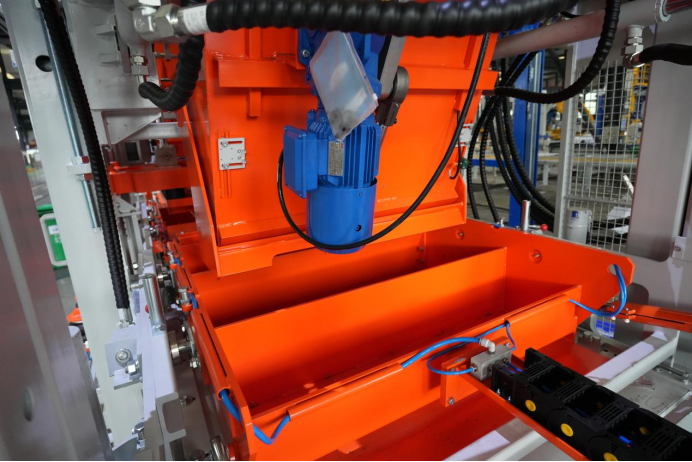
6. 360° Rotary Anti-Arching to Address Material Bridging
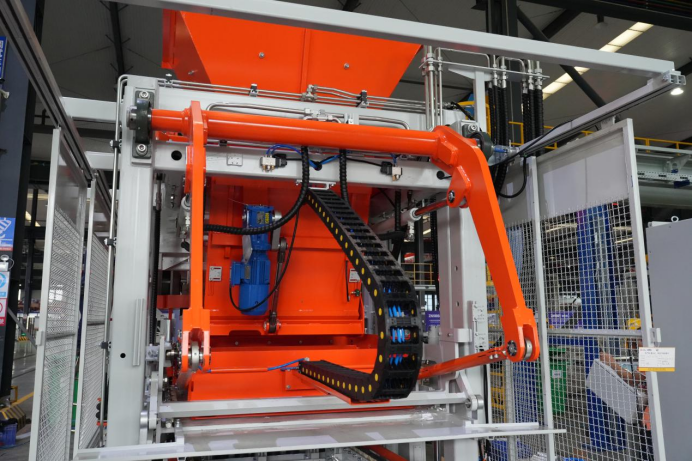
Material bridging and accumulation inside the feeder can interrupt the supply of concrete to the mould. To address these issues, the T18 incorporates an independently driven rotary anti-arching mechanism fitted with wear-resistant mixing blades.
The blades rotate continuously through 360° during feeding, actively moving material to help reduce stagnant zones, bridging, and blockages. Unlike swing-type or vibration-type anti-arching devices, the rotary arrangement uses continuous rotational movement to promote material flow.
The modular blade assembly allows worn blades to be replaced without replacing the entire mechanism. Low operating noise and reduced blade wear are additional design characteristics that support maintenance and service life.
7. Integrated Hydraulic Power for Easier Inspection and Servicing
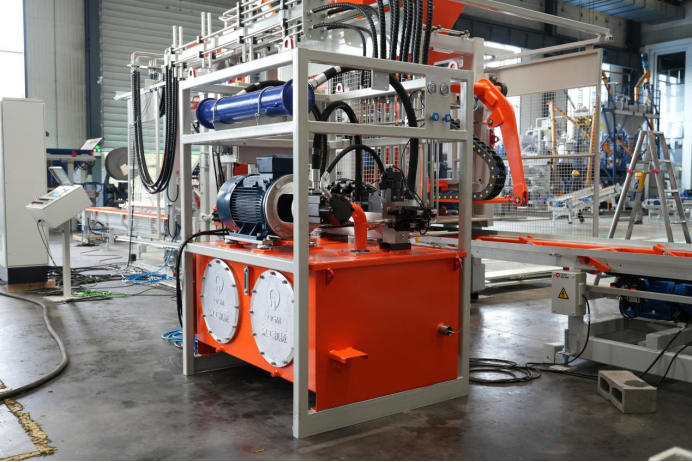
The T18 consolidates its hydraulic power supply, control components, and oil circuits into a centralized hydraulic unit. This layout supplies the hydraulic power required for machine operation while reducing the amount of external piping.
Compared with a split hydraulic arrangement, the integrated configuration reduces external connection points and potential oil leakage locations. It also makes hydraulic components more straightforward to inspect and maintain. Responsive actuation and stable hydraulic pressure support machine operation, while the system is designed for low energy consumption during continuous production.
IV. Product Samples & Application Scenarios
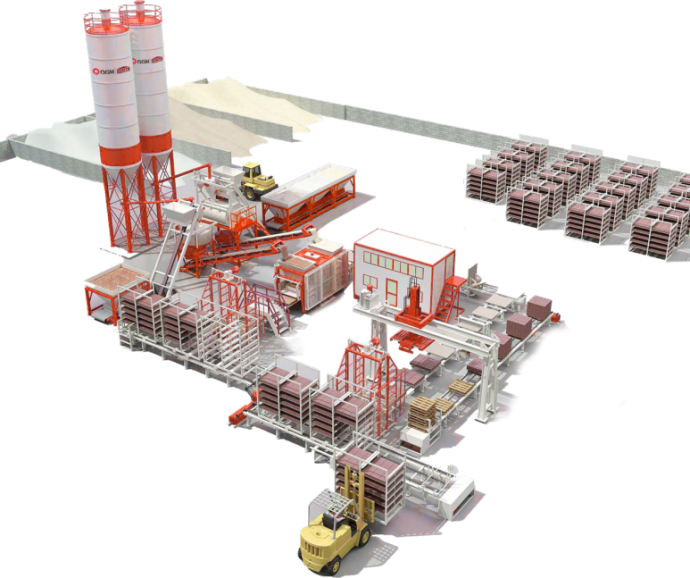
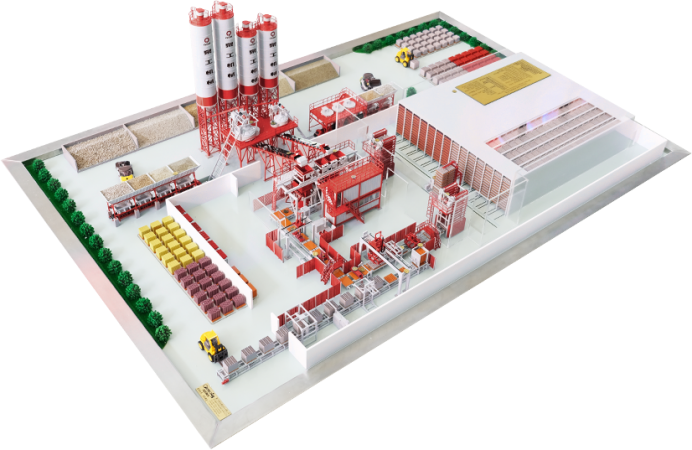
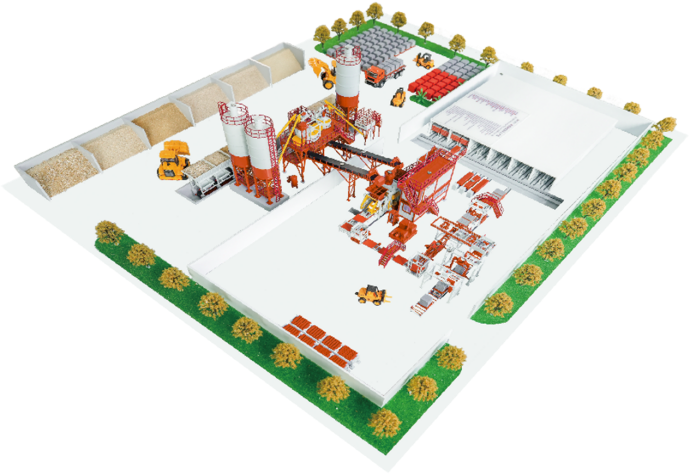
Ⅴ. T18 Production Line Layout
Discuss Your Concrete Product Manufacturing Requirements with QGM
The T18 combines servo-controlled vibration, pneumatic mould clamping, quick-release tamper head technology, automatic mould exchange, hydraulic bottom feeding, rotary anti-arching, and an integrated hydraulic unit. These systems support automated production of concrete blocks, paving products, and kerbstones across different product specifications.
Contact QGM to discuss your required product dimensions, production output, mould configuration, and concrete product manufacturing needs. Our team can provide further information about the T18 automatic concrete block and paver making machine.