Concrete Block Production Line Troubleshooting Guide
Introduction: Why Production Reliability Matters in Concrete Block Manufacturing
In modern construction material manufacturing, production efficiency and product consistency are critical factors determining business competitiveness.
For concrete block manufacturers, an automatic block production line is not only responsible for increasing output but also plays a key role in maintaining stable product quality, reducing operating costs, and meeting customer delivery requirements.
However, during continuous operation, even high-performance concrete block machines may experience unexpected issues caused by mechanical wear, improper parameter settings, material variations, or insufficient maintenance.
Production interruptions in concrete product manufacturing can reduce overall efficiency, increase labor and maintenance costs, cause material waste, delay project deliveries, and negatively impact the consistency and quality of finished concrete products.
Therefore, understanding common problems in concrete block production lines and applying effective troubleshooting methods is essential for maximizing equipment availability and extending machine service life.
This guide explains typical issues affecting automatic block machines, their possible causes, recommended solutions, and preventive maintenance strategies to help manufacturers achieve more reliable production performance.
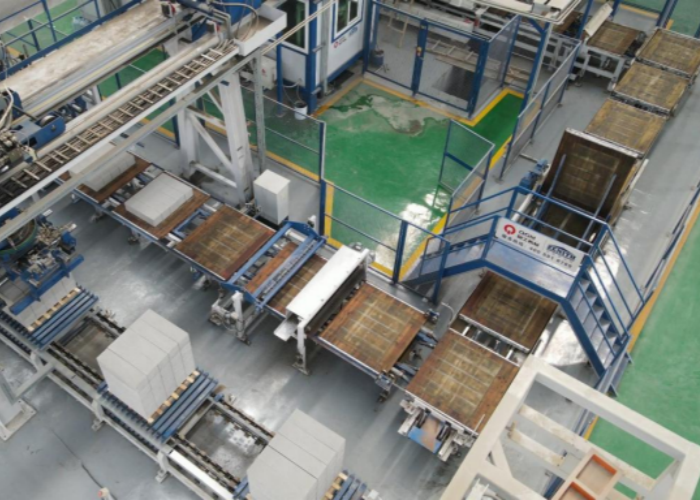
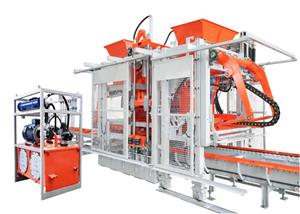
△ QGM Automatic Block Machine Solutions for Efficient Concrete Product Manufacturing
Common Problems in Concrete Block Production Lines and How to Solve Them
A concrete block production line consists of multiple integrated systems, including material feeding, vibration, hydraulic forming, mold handling, transmission, and intelligent control systems.
When any key component operates abnormally, the entire production process may be affected.
Understanding the relationship between symptoms, causes, and solutions allows operators to quickly identify problems and restore production efficiency.
1. Rotary Turntable Fails to Rotate Properly
Problem Description
During operation of a cement block machine, the rotary turntable may stop moving even though the driving system continues operating normally.
This issue can interrupt the production cycle and affect overall equipment efficiency.
Possible Causes
Common causes include:
● Damaged or weakened automatic locking spring
● Excessive wear of latch components
● Incorrect alignment between locking parts and turntable structure
● Mechanical interference during operation
Recommended Solutions
To restore normal operation:
● Stop the machine and perform a safety inspection
● Check the automatic locking mechanism
● Replace damaged springs or worn components
● Verify turntable alignment before restarting production
Preventive Maintenance
Regular inspection of mechanical locking components helps prevent unexpected downtime and improves the operational stability of the automatic block production line.
2. Block Machine Stops Suddenly During Production
Problem Description
The concrete block machine may suddenly stop during the forming process, resulting in production interruption.
Unexpected shutdowns often indicate overload conditions or abnormal operating resistance.
Possible Causes
Typical causes include:
● Excessive material filling in the mold cavity
● Foreign objects entering the mold system
● Overloading during pressing
● Incorrect machine parameter settings
Effective Solutions
Recommended actions include:
● Activate emergency stop procedures
● Remove excessive material or foreign objects
● Inspect mold conditions
● Adjust feeding and forming parameters
Production Improvement
Maintaining proper material feeding and regular mold inspection can significantly reduce machine stoppages and improve production continuity.
3. Concrete Blocks Have Incorrect Height or Thickness
Problem Description
Finished blocks may not meet required dimensional specifications, resulting in inconsistent product quality.
Incorrect block height can affect:
● Construction installation efficiency
● Product acceptance
● Customer satisfaction
● Production cost control
Possible Causes
The main causes may include:
● Insufficient lubrication of moving components
● Wear of thrust plates
● Incorrect eccentric shaft adjustment
● Mechanical clearance deviation
● Mold wear
Recommended Solutions
Manufacturers should:
● Inspect lubrication systems
● Replace worn mechanical parts
● Adjust forming parameters
● Check mold accuracy
● Calibrate the forming system
Why Precision Matters
Dimensional accuracy is a key quality indicator for concrete products. A stable block making machine with precise mechanical control helps manufacturers maintain consistent product dimensions throughout long-term production.
4. Excessive Vibration During Machine Operation
Problem Description
Abnormal vibration during operation may reduce forming accuracy and accelerate mechanical wear.
In severe cases, excessive vibration can affect:
● Product quality
● Machine stability
● Component service life
Possible Causes
Common reasons include:
● Excessive mechanical clearance
● Damaged bearings or rolling components
● Improper connection between mechanical parts
● Worn mold rollers
Recommended Solutions
Solutions include:
● Inspect mechanical clearance
● Check vibration system components
● Adjust connection positions
● Replace damaged parts when necessary
Preventive Maintenance
Regular inspection of vibration systems helps maintain stable compaction performance and ensures consistent concrete product quality.
5. Abnormal Vibration During Block Forming Process
Problem Description
During the pressing cycle, strong vibration may occur around transmission components such as crankshafts or drive shafts.
This condition can reduce forming stability and increase mechanical stress.
Possible Causes
Potential causes include:
● Severe gear wear
● Improper gear engagement
● Excessive mechanical impact under forming pressure
Solutions
Recommended actions:
● Stop operation for inspection
● Check transmission components
● Repair or replace damaged gears
● Restore correct mechanical engagement
A stable transmission system ensures consistent forming pressure and improves the reliability of concrete block production.
6. Concrete Blocks Are Thicker Than Required
Problem Description
Some production lines may produce blocks exceeding specified thickness requirements.
This can create difficulties during installation and affect product standardization.
Possible Causes
Possible reasons include:
● Wear of piston plates
● Bearing damage
● Incorrect mechanical clearance
● Mold bottom surface wear
Recommended Solutions
Manufacturers should:
● Inspect piston and bearing components
● Adjust eccentric shaft settings
● Check forming clearance
● Repair or replace worn molds
Importance of Mold Performance
The mold directly determines the final shape, size, and appearance of concrete products.
High-quality molds combined with precise block machine control are essential for achieving consistent production results.
Preventive Maintenance: The Foundation of Long-Term Block Machine Reliability
For concrete block manufacturers, preventive maintenance is more effective than waiting for equipment failure.
A reliable maintenance strategy helps reduce unexpected downtime and improves overall production efficiency.
A professional maintenance program should focus on:
Maintenance Area | Recommended Action |
Hydraulic System | Check pressure stability and leakage |
Vibration System | Inspect vibration performance and components |
Mold System | Monitor wear and dimensional accuracy |
Lubrication System | Maintain proper lubrication levels |
Electrical Control System | Check PLC, sensors, and control components |
Transmission Components | Inspect mechanical wear and alignment |
Through regular maintenance, manufacturers can achieve:
● Longer equipment service life
● Lower repair costs
● More stable production output
● Improved concrete product consistency
How QGM Solutions Improve Concrete Block Production Reliability
Reliable production depends not only on machine design but also on manufacturing quality, intelligent control, and professional technical support.
As an experienced concrete block machine manufacturer, QGM provides integrated solutions designed to help customers improve production stability and operational efficiency.
QGM automatic block machines integrate advanced vibration technology, precision hydraulic forming systems, Siemens PLC control, automated production management, and durable mechanical structures to deliver efficient, stable, and reliable solutions for high-quality concrete block production.
These technologies help manufacturers produce:
● Concrete blocks
● Paving blocks
● Hollow blocks
● Kerbstones
● Solid blocks
● Permeable blocks
● Grass pavers
● Interlocking concrete blocks
● Landscaping products
With reliable equipment performance and lifecycle support, QGM helps customers reduce downtime, improve production efficiency, and maintain consistent product quality.
Whether upgrading an existing concrete block production line or investing in a new manufacturing facility, selecting the right equipment partner is essential for long-term success.
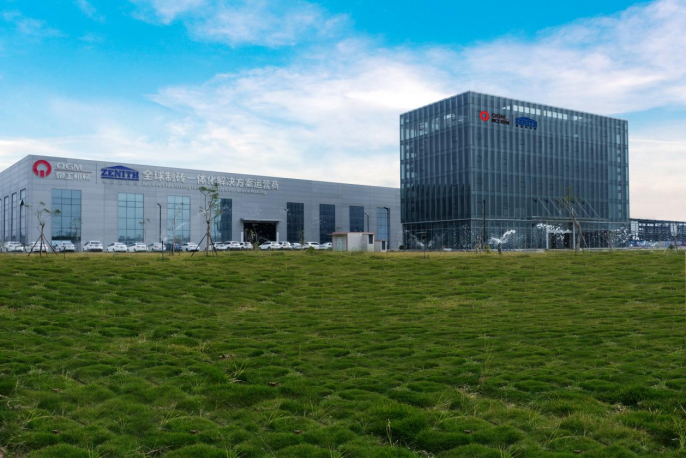
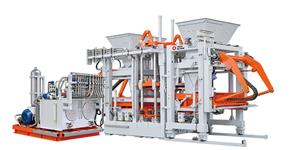
△ Welcome to QGM: Your Global Partner for Automatic Block Machine Solutions
FAQ
1. What are the most common problems in a concrete block production line?
Common issues include machine stoppages, abnormal vibration, incorrect block dimensions, mold wear, hydraulic instability, and transmission failures. Regular maintenance and proper machine adjustment can significantly reduce these problems.
2. Why does my block making machine produce blocks with incorrect dimensions?
Incorrect block dimensions are usually caused by mold wear, mechanical adjustment errors, insufficient lubrication, or unstable forming parameters. Regular calibration and component inspection help restore production accuracy.
3. How can I reduce downtime of an automatic block machine?
Manufacturers can reduce downtime by implementing preventive maintenance programs, inspecting critical components regularly, monitoring production parameters, and replacing worn parts before failure occurs.
4. What maintenance does a concrete block machine require?
A concrete block machine requires regular inspection and maintenance of hydraulic systems, vibration units, molds, transmission components, electrical controls, and lubrication systems.
5. How do I choose a reliable concrete block machine manufacturer?
A reliable manufacturer should provide not only advanced equipment but also technical support, spare parts supply, installation guidance, training services, and complete concrete block production solutions.