How to Choose the Right Concrete Block Making Machine: 4 Key Factors That Impact ROI
Choosing the right concrete block making machine is one of the most important decisions when setting up or upgrading a concrete products manufacturing business. The equipment you select will directly affect production capacity, product quality, labor requirements, operating costs, and ultimately, the profitability of your investment.
With so many block making machines available on the market, focusing solely on the lowest purchase price can lead to higher operating costs and greater production risks in the long run.
A more reliable approach is to evaluate the machine from four key perspectives: production capacity, product flexibility, automation level, and total cost of ownership (TCO). By matching the equipment configuration with your actual production requirements and local market conditions, you can build a more efficient and financially sustainable concrete block production business.
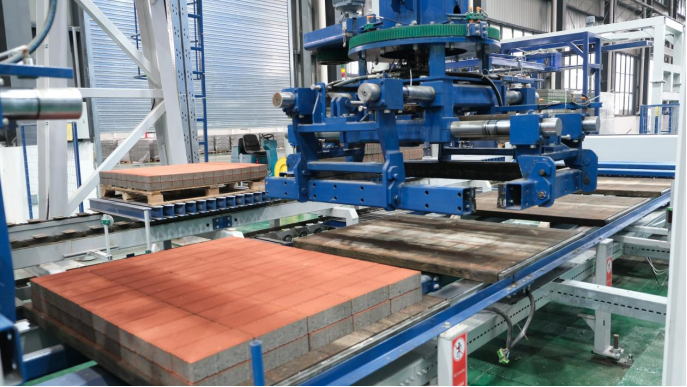
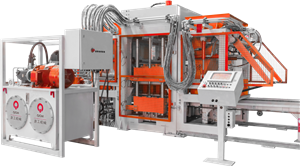
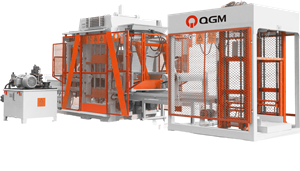
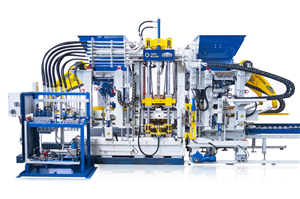
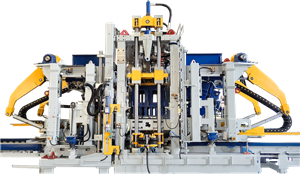
△QGM Automatic Block Machines in Global Concrete Block Production Projects
1. Production Capacity: Match the Machine to Your Actual Output Requirements
The first step in selecting a concrete block machine is to determine how much you actually need to produce.
Instead of choosing a machine based simply on its maximum rated capacity, start by analyzing your target market, expected orders, working hours, and future expansion plans. Your required daily output should then determine the appropriate machine size and production line configuration.
For a small startup, local contractor, or project-based operation, a compact or semi-automatic block making machine may be sufficient. These machines generally require a lower initial investment and can be suitable when production volumes are relatively limited.
For established concrete product manufacturers supplying large construction projects, infrastructure developments, or distributors, a high-capacity automatic block making machine and complete production line may be a better choice. Such systems can integrate batching, material feeding, block molding, curing, handling, and palletizing to support significantly higher production volumes.
The goal is not to purchase the machine with the highest theoretical output. Instead, the objective is to select a production capacity that matches your expected market demand.
An undersized machine can limit your ability to fulfill orders, while excessive production capacity can leave equipment underutilized and increase the payback period.The right production capacity is the one that balances current demand, operating efficiency, and future growth.
2. Block Types and Sizes: Check Mold Flexibility and Product Compatibility
Production volume is only one part of the equation. The types of concrete products you plan to manufacture are equally important.
Different construction and infrastructure projects require different block dimensions, shapes, strength classes, and surface finishes. Therefore, when evaluating a concrete block making machine, buyers should pay close attention to mold compatibility and product flexibility.
A versatile machine should be capable of producing multiple concrete products by changing molds and adjusting the relevant production parameters.
Depending on the machine configuration and mold system, a single production line may be used to manufacture products such as:
●Solid concrete blocks
●Hollow concrete blocks
●Paving blocks
●Permeable or water-permeable pavers
●Kerbstones
●Landscaping products
●Slope protection blocks
●Other customized concrete products
This flexibility can be particularly valuable in markets where product demand changes according to construction projects, infrastructure development, or seasonal requirements.
However, mold compatibility should not be evaluated independently. Buyers should also consider the machine's maximum block height, molding area, vibration system, hydraulic forming system, and available mold configurations.
A machine that can produce a wider range of marketable products gives manufacturers greater flexibility to respond to changing customer requirements and explore higher-value product segments.
3. Automation Level: Balance Production Efficiency, Labor Costs, and Operational Complexity
The automation level of a block making machine has a direct impact on labor requirements, production consistency, operational efficiency, and long-term manufacturing costs.
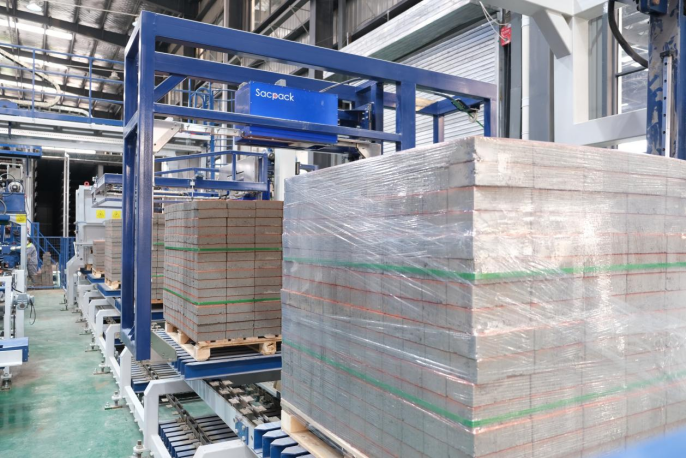
△Global Customer Projects Featuring QGM Automatic Block Machines
The right level of automation depends largely on local labor costs, operator availability, production volume, and the manufacturer's management capabilities.
Semi-Automatic or Basic Block Making Machines
Semi-automatic equipment generally requires a lower initial investment and can be attractive to startups or manufacturers operating in markets where labor costs are relatively low.
However, more manual operations may be required for material handling, pallet transfer, product handling, or other production processes. As production volumes increase, labor requirements can become a significant operating expense.
Fully Automatic Block Production Lines
A fully automatic concrete block production line can integrate multiple production processes through automated control systems.
Typical systems may include:
●Automatic aggregate batching and mixing
●Automatic material feeding
●PLC-based production control
●Automatic pallet circulation
●Automated block handling
● Curing systems
● Automatic stacking and palletizing
Advanced automatic block making machines can significantly reduce manual intervention while improving production consistency and process control.
For high-volume manufacturers, the additional investment in automation can potentially be offset by lower labor requirements, higher equipment utilization, improved production efficiency, and more consistent product quality.
The key is not to maximize automation at any cost. Instead, automation should be selected according to the plant's production volume, labor environment, investment capacity, and expected return on investment.
4. Budget Planning: Evaluate Total Cost of Ownership, Not Just Machine Price
Machine price is an important consideration, but it should never be the only factor when comparing block making machines.
Two machines with similar purchase prices can have very different operating costs over their service lives.
This is why professional equipment buyers should consider Total Cost of Ownership (TCO) rather than focusing exclusively on the initial investment.
TCO may include:
● Initial machine and production line cost
● Electricity and energy consumption
● Labor requirements
● Mold and spare parts costs
● Preventive maintenance
● Unplanned downtime
● Technical service and support
● Equipment lifespan
● Production efficiency
● Residual equipment value
For example, a machine with a lower purchase price may require more manual labor, consume more energy, experience more frequent downtime, or have higher spare parts costs. Over several years of operation, these additional expenses can significantly exceed the initial price difference.
By contrast, a well-engineered and properly maintained automatic block making machine may require a higher upfront investment but deliver better production stability, lower operating costs, and a longer service life.
For this reason, the better investment is not necessarily the cheapest machine. It is the machine that provides the best balance between initial investment, operating cost, production performance, reliability, and long-term return.
Choosing a Concrete Block Machine Is a Long-Term Production Decision
Selecting a concrete block making machine should be viewed as a long-term production strategy rather than a simple equipment purchasing decision.
The right machine needs to fit your expected production volume, product portfolio, labor environment, investment budget, raw materials, and future business development.
For international buyers, the equipment manufacturer's technical capability and after-sales support should also be part of the evaluation. Installation, commissioning, operator training, spare parts supply, troubleshooting, preventive maintenance, and technical assistance can all influence the actual performance of a production line throughout its service life.
With more than 40 years of experience in the block making machine industry, QGM provides concrete products manufacturers with equipment and complete production solutions tailored to different market requirements.
From production planning and equipment selection to installation, commissioning, operator training, and lifecycle support, QGM focuses on helping customers build reliable and efficient concrete block production lines.
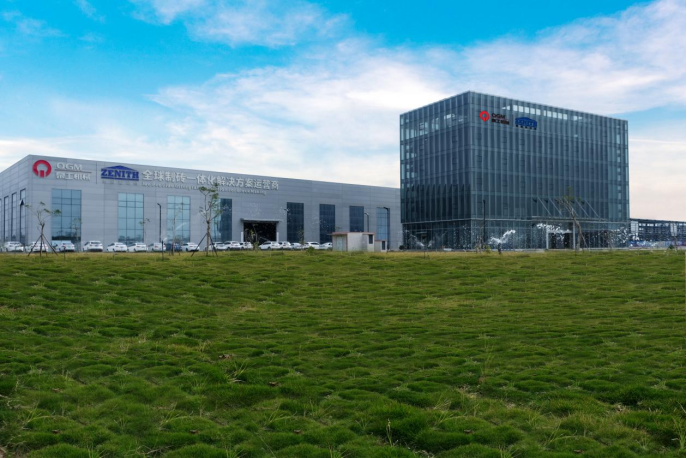
△Welcome to QGM, a Trusted Manufacturer of Automatic Block Making Machines
For manufacturers looking beyond the initial machine price, evaluating the complete lifecycle value of the equipment can provide a more realistic basis for investment decisions—and help turn a block making machine into a long-term production asset.
Frequently Asked Questions About Concrete Block Making Machines
1. How do I choose the right concrete block making machine for my production capacity?
Start by determining your expected daily output, target products, working hours, current market demand, and future expansion plans. The machine's rated capacity should be matched to realistic production requirements rather than maximum theoretical output. Small operations may require a semi-automatic machine, while large manufacturers may benefit from a fully automatic concrete block production line.
2. Can one concrete block making machine produce different types of blocks?
Yes, many modern block making machines can manufacture different concrete products by changing molds and adjusting production parameters. Depending on the machine and mold configuration, manufacturers can produce solid blocks, hollow blocks, paving blocks, permeable pavers, kerbstones, and other concrete products.
3. Is a fully automatic block making machine worth the higher investment?
For medium- and high-volume production, a fully automatic system can provide significant advantages through reduced labor requirements, higher production efficiency, improved process consistency, and better production management. Whether the additional investment is worthwhile depends on local labor costs, production volume, operating conditions, and expected ROI.
4. What should I consider besides the purchase price of a block making machine?
Buyers should evaluate the machine's total cost of ownership, including energy consumption, labor requirements, spare parts, mold costs, maintenance, downtime, technical support, service life, and potential resale value. Comparing TCO provides a more accurate picture of the machine's long-term economic value.
5. Why is after-sales service important when buying a concrete block making machine?
A block production line is a long-term industrial investment. Professional installation, commissioning, operator training, spare parts availability, preventive maintenance, and technical support can help reduce downtime and maintain stable production. For overseas buyers, the manufacturer's international service capabilities should therefore be considered alongside machine specifications and price.