How to Inspect a Used Block Machine Before Purchase: 3 Critical Components You Must Check
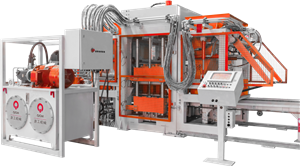
In the concrete block manufacturing industry, purchasing used equipment is often considered an effective way to reduce initial investment costs. However, choosing a used block machine is not simply about comparing prices or checking the external appearance of the equipment.
Many buyers focus only on the purchase cost and overlook the hidden risks behind refurbished machines. A machine that looks clean after repainting may still have serious problems inside, including reduced production efficiency, unstable product quality, frequent maintenance requirements, and unexpected downtime costs.
For investors planning to purchase a used concrete block machine, a detailed inspection of key components is essential before making any decision.
The real value of a block making machine depends not only on its appearance, but also on the condition of its core systems, production stability, and remaining service life.
Before purchasing used equipment, the following three components should be carefully inspected.
1. Mold Condition: The Key Factor Affecting Block Quality and Production Accuracy
The mold is one of the most important components of a block making machine, directly influencing product dimensions, surface quality, and production yield.
Many used equipment buyers make the mistake of judging mold condition only by visual inspection. However, surface appearance does not always reflect actual wear.
A professional inspection should include:
●Measuring mold cavity dimensions with precision tools such as vernier calipers;
●Checking mold frame deformation;
●Inspecting wear marks on forming surfaces;
●Evaluating whether the mold can maintain dimensional accuracy.
In practical production, excessive mold wear may result in:
●Uneven block dimensions;
●Flashing around product edges;
●Poor surface finish;
●Increased rejection rates.
When critical mold wear exceeds acceptable limits, product consistency will be significantly affected.
If a seller refuses to open the mold system for inspection or attempts to hide wear through polishing or surface treatment, buyers should consider this a potential warning sign.
For modern automatic block machines, precision mold performance is one of the key factors determining long-term production efficiency.
2. Hydraulic System Performance: Ensuring Stable Forming Pressure
The hydraulic system works as the power center of a concrete block machine. Its condition directly affects forming pressure, vibration coordination, and overall equipment stability.
During a used machine inspection, a complete test run is necessary.
Buyers should check:
Hydraulic Pressure Stability
During normal operation, the hydraulic pressure should remain stable within the designed working range.
Abnormal pressure fluctuations may indicate problems such as:
●Hydraulic pump wear;
●Valve failure;
●Internal seal leakage;
●Hydraulic system aging.
If the pressure gauge fluctuates significantly during operation, the machine may have difficulty maintaining consistent forming force.
Potential consequences include:
●Reduced block strength;
●Uneven product density;
●Higher maintenance costs;
●Increased production downtime.
For professional concrete block machine manufacturers, hydraulic system reliability is a fundamental factor in ensuring stable and continuous production.
QGM block machines are designed with optimized hydraulic systems to provide precise pressure control and consistent forming performance for different concrete products.
3. Motor and Electrical System Inspection: Protecting Long-Term Production Reliability
The motor is the main power source of the production system. Its operating condition directly influences equipment efficiency and operational safety.
During inspection, buyers should pay attention to:
Motor Operating Sound
A healthy motor should operate smoothly with consistent noise levels.
Abnormal signs include:
●Metallic friction sounds;
●Excessive vibration;
●Irregular operating noise.
These symptoms may indicate:
●Bearing damage;
●Rotor problems;
●Mechanical imbalance.
Temperature Monitoring
Using an infrared thermometer to check motor temperature is highly recommended.
Continuous overheating may indicate:
●Poor cooling performance;
●Electrical overload;
●Aging components.
If the motor temperature continues rising beyond the normal operating range, it may lead to:
●Motor burnout;
●Production interruption;
●Expensive replacement costs.
A reliable electrical system is especially important for high-output concrete block production equipment operating under continuous industrial conditions.
Avoid Low Purchase Prices: Evaluate the Total Value of Used Block Machines
When purchasing a used brick making machine, the lowest price does not always represent the best investment.
The real cost of equipment includes:
●Purchase price;
●Maintenance expenses;
●Energy consumption;
●Replacement parts;
●Production losses caused by downtime;
●Remaining service life.
A low-cost machine with unstable performance may eventually become more expensive than a reliable machine with higher initial value.
For this reason, experienced block manufacturers usually evaluate equipment based on:
✓ Production stability
✓ Product quality consistency
✓ Maintenance requirements
✓ Spare parts availability
✓ Long-term operating value
Choosing Reliable Block Machine Solutions for Long-Term Production
A used block machine can provide investment advantages when it is carefully evaluated. However, without professional inspection, buyers may face hidden risks that affect production efficiency and profitability.
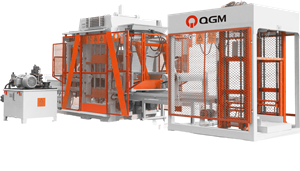
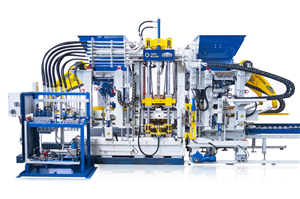
As a global block machine manufacturer, QGM focuses on providing reliable automatic block machines, concrete block production equipment, and complete block production solutions with advanced technology, stable performance, and long service life.
For customers seeking higher production reliability, investing in professionally engineered new equipment with strong technical support can significantly reduce operational risks and improve long-term returns.
If you are planning a concrete block production project or need professional advice on block making equipment selection, contact QGM for more information and customized solutions.
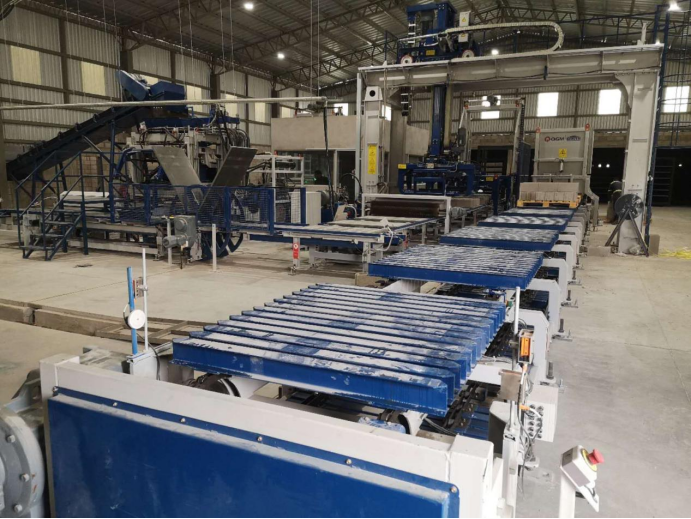
△Real-World Applications of QGM Automatic Block Machines in Global Markets
FAQ
1.What should I inspect before buying a used block making machine?
Before purchasing a used brick-making machine, buyers should carefully inspect three critical components: the mold, hydraulic system, and motor. These parts directly affect block quality, production efficiency, machine stability, and future maintenance costs. A professional inspection can help avoid buying equipment with hidden defects.
2.Why is the mold condition important when purchasing a used block making machine?
The mold is one of the most important components affecting concrete block forming quality. Excessive wear can cause inaccurate dimensions, surface defects, flashing, and reduced production yield. Buyers should use measuring tools such as vernier calipers to check mold cavity accuracy instead of relying only on visual inspection.
3.How can I check the hydraulic system of a second-hand block machine?
The hydraulic system determines the forming pressure and operational stability of a block machine. During inspection, buyers should run the equipment and monitor hydraulic pressure changes. Unstable pressure, abnormal fluctuations, or slow movement may indicate problems with the hydraulic pump, valves, or internal seals, which can result in expensive repairs.
4. What are the signs of motor problems in a used block-making machine?
Common signs of motor issues include abnormal noise, overheating, unstable operation, and excessive vibration. During inspection, buyers should check motor performance under load and use temperature measurement tools to identify potential problems such as bearing damage, poor cooling, or long-term overload operation.
5.Is buying a used block making machine worth the investment?
A used block making machine can reduce initial investment costs, but the actual value depends on equipment condition, production efficiency, and remaining service life. A detailed inspection of key components such as the mold, hydraulic system, and motor is essential to determine whether the machine can provide reliable long-term production.