One Year On-Site: What Makes a Smart Block Making Machine Stand Out
I'm often asked a straightforward question: “Can a smart block making machine really stand up to long-term production?” It's difficult to answer that question by looking only at trade show demonstrations or polished brochures.
A machine may look fast, highly automated, and impressive when it is first installed. But after one or two years of continuous production, components such as the hydraulic system, vibration system, material feeding system, and automatic control system have gone through extended operating cycles. That is when some of the less obvious issues may begin to surface.
So, rather than focusing on the specifications shown in a brochure, let's look at what I've seen over the years while visiting block plants and production lines—and examine the details that really deserve attention after a block making machine has been in operation for an extended period.
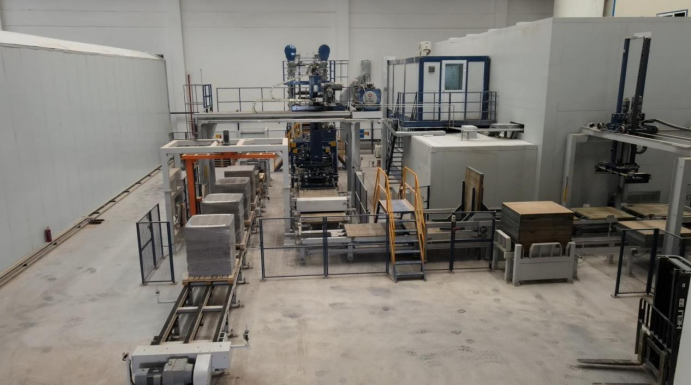
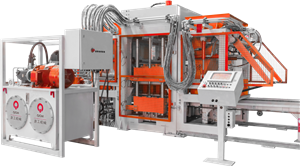
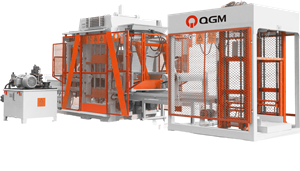
△QGM Automatic Block Making Machine for Long-Term Production Reliability
1. Why Can Block Quality Change After a Machine Has Been Running for Six Months?
Let's start with an issue that is easy to overlook: forming stability during long-term operation.
As environmental requirements have become increasingly stringent in recent years, many block plants have upgraded to automated equipment. There are now more and more machines marketed as “smart,” but the level of intelligence is not determined simply by whether a machine has a touchscreen or PLC.
Some machines add an automated control interface without fundamentally improving the forming, material feeding, or vibration systems. Such equipment may perform reasonably well when first commissioned, but as operating hours accumulate, product quality can begin to fluctuate if the hydraulic system, vibration system, and forming parameters are not properly coordinated.
Typical signs include small chips along the edges of green blocks or inconsistent compaction in different areas of the product. These defects may not be obvious immediately after demolding. They can become more apparent after curing, stacking, or transportation. For concrete blocks, paving blocks, and other products where strength and appearance matter, a continued increase in breakage can affect not only product appearance but also the overall rejection rate and manufacturing costs.
That is why evaluating a block making machine should involve more than checking its initial production speed. Its forming stability after extended operation deserves equal attention.
2. What Happens When the Raw Materials Change?
Besides the forming system, raw material adaptability is another area where problems can become apparent during long-term operation. In actual block production, it is rarely possible to maintain exactly the same raw material conditions every day.
The moisture content of sand and aggregates can vary, while aggregate size and grading may also change. Some projects also use fly ash, steel slag, construction waste, and other solid waste materials. Any change in material characteristics can affect mixing, conveying, feeding, and forming.
I've seen highly automated equipment operate smoothly under normal material conditions but experience feeding problems or blockages when the material contains wet lumps or oversized particles. A blockage may appear to be just a few minutes of downtime, but the actual impact can be much greater.
Operators have to intervene and clear the material, while upstream and downstream processes may also have to wait. Once the machine restarts, operating parameters may need to be checked again. An occasional blockage may not be a major issue, but frequent interruptions can affect daily output, labor requirements, and delivery schedules.
For projects using variable or complex raw materials, therefore, smart block making machines should be evaluated not only for their automation capabilities but also for how well they can handle changing material conditions.
3. The Real Test Is What the Machine Looks Like After Extended Operation
Earlier this year, I visited a fly ash block production project that provided a good example.
The project primarily processes fly ash, and the equipment had already been in continuous operation for some time. Given the relatively humid conditions during spring, maintaining stable production can be a real challenge. Yet on site, the main forming machine was running steadily, with no obvious abnormality in the vibration process and consistent material feeding.
The site manager told me that when they selected the equipment, they did not simply compare the specifications of a particular machine or brand. Instead, they paid close attention to how the complete production line connected the material preparation process with the final forming stage. In the end, they selected QGM's smart block making equipment.
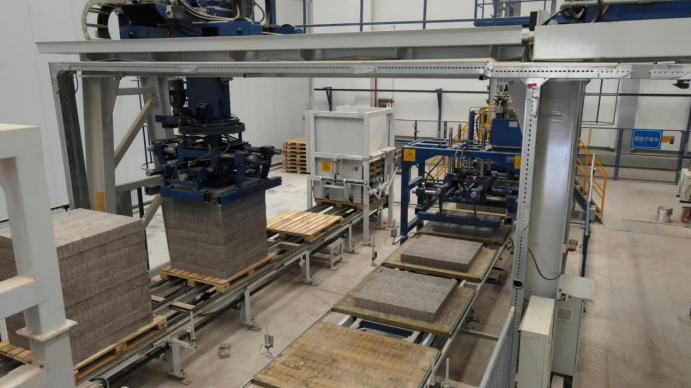
△QGM Automatic Block Making Machine for Reliable Concrete Block Production
4. Why Do Continuous Mixing and Uniform Material Feeding Affect Block Quality?
Many people assume that the mixing system only needs to ensure that the materials are properly blended. In actual concrete block production, however, the condition of the material between mixing and entering the forming machine is equally important.
If moisture content, particle grading, or material distribution changes significantly, the forming performance inside the mold can also be affected. For this reason, some production lines use continuous mixing, controlled material conveying, and uniform feeding to maintain more consistent material conditions before forming.
For high-volume block plants, these differences should not be underestimated. The greater the daily production volume, the more directly raw material costs and reject rates can affect overall profitability.
5. PLC Intelligent Control: The Key Is Not Whether It Exists, but How It Is Used
Many machines today are equipped with PLCs, touchscreens, and automatic operating programs. But meaningful automation is not simply about replacing manual operations with buttons.
More importantly, the control system should help production teams identify changes in equipment and production conditions in a timely manner.
For example:
* Can relevant parameters be adjusted when raw material conditions change?
* Can the system provide an alarm when forming pressure or vibration parameters become abnormal?
* Can production parameters be quickly recalled when switching between different products?
* Can equipment operating conditions be continuously monitored?
For a modern smart block making machine, these functions can be far more practical than simply adding another operator interface.
I encountered a similar situation during a previous site visit when the raw material batch changed. The production line did not need to remain shut down for an extended adjustment. Instead, the relevant production parameters were adjusted according to the new material conditions, and the overall production process continued with little disruption.
This capability may not create a dramatic difference when a machine is brand new, but its importance becomes much more apparent over extended production periods.
6. Smart Automation Does Not Mean No Operators Are Needed
There is one point worth making objectively: even the most advanced smart block making machine cannot simply be installed and left completely unattended.
Operators still need to understand the basic operating logic of the equipment, interpret alarm information, and perform routine inspection and maintenance.
For large automated production lines in particular, more parameters are managed by the control system, which places higher demands on operator skills and equipment knowledge.
In other words, equipment intelligence and operator expertise need to work together.
7. After Several Years of Use, Maintenance and Service Become the Real Test
A block making machine is designed for continuous production. Hydraulic systems, vibration systems, material feeding mechanisms, and conveying equipment operate at high frequency over long periods. As equipment ages, component service life, maintenance intervals, and spare parts availability become increasingly important.
Therefore, when evaluating a block making machine manufacturer, I recommend looking beyond the equipment price and production capacity. It is also important to understand:
* Are commonly required spare parts readily available?
* How quickly can technical support respond?
* Does the manufacturer provide installation and commissioning?
* Is operator training available?
* Is there a clear process for troubleshooting and repair?
8. A Good Block Production Line Is More Than a Collection of Connected Machines
Another issue that is easily overlooked during equipment purchasing is the coordination of the complete production line.
Even if the block making machine itself performs well, bottlenecks in mixing, feeding, material distribution, stacking, or curing can still limit the actual output of the entire line.
That is why modern concrete block production lines increasingly need to be planned around the complete production process:
* What raw materials will be used?
* What products will be manufactured?
* What daily output is required?
* How much plant space is available?
* What level of automation is required?
All of these factors influence the final production line configuration.
9. Different Block Plants Have Different Requirements for Smart Block Making Machines
Small block plants may place greater emphasis on investment size, ease of operation, and routine maintenance. Large concrete products manufacturers may focus more on production efficiency, automation, and long-term operating stability. Mining operations and construction waste processing facilities may place greater emphasis on solid waste processing capabilities, raw material adaptability, and large-scale production.
Therefore, a higher equipment specification does not automatically mean a better choice for every customer.
10. The Best Way to Evaluate a Smart Block Making Machine? Look at Older Installations
If I had to give one straightforward piece of advice to a block plant preparing to purchase new equipment, it would be this: don't look only at new machines.
It is difficult to identify the real differences by watching a new machine run for just a few minutes.
If possible, visit plants where the equipment has already been operating continuously for one, two, or even more years. Pay particular attention to:
* Has forming quality changed noticeably?
* Is the equipment still running consistently?
* Can the system respond effectively when raw material conditions change?
* Does the material feeding system experience frequent blockages?
* Is routine maintenance straightforward?
* Are spare parts and after-sales support readily available?
These on-site details can often provide more useful insight than a few attractive figures in a product brochure.
Conclusion
The real strength of a smart block making machine is not simply its production speed or automation configuration.
For block plants engaged in long-term production, forming stability, raw material adaptability, production line coordination, material utilization, equipment maintenance, and after-sales service all have an impact on actual production performance. Projects using complex raw materials or focusing on solid waste recycling place even greater demands on equipment stability and complete production line design.
Before choosing equipment, don't just ask, “How many blocks can this machine produce per day?” Look at your own raw materials, products, production requirements, and operating conditions, and determine whether the equipment is genuinely suited to your application.
And don't focus solely on attractive claims such as “15% higher efficiency” in a brochure. What really matters is whether the machine can continue to deliver stable performance after extended continuous operation.
FAQ
1. What should I look for when evaluating the long-term performance of a smart block making machine?
Key factors include forming stability, raw material adaptability, vibration performance, material feeding consistency, equipment maintenance, and overall production reliability during extended operation.
2. Can a smart block making machine handle changes in raw material conditions?
It depends on the equipment design. Changes in moisture content, aggregate size, or the use of materials such as fly ash, steel slag, and construction waste can affect mixing, feeding, and forming. A suitable machine should be able to adapt to these variations while maintaining stable production.
3. How does PLC control improve the operation of a block making machine?
A PLC-based control system can monitor equipment and production conditions, manage key parameters, provide alarms for abnormal conditions, and facilitate parameter adjustments when raw materials or products change.
4. Why is the complete production line important when choosing a block making machine?
The performance of the main forming machine depends on how well it works with mixing, material feeding, conveying, stacking, and curing processes. A well-coordinated concrete block production line can help reduce process bottlenecks and improve overall production efficiency.
5. What after-sales services should I consider when choosing a block making machine manufacturer?
Important considerations include spare parts availability, technical support, installation and commissioning, operator training, and troubleshooting or repair services. These factors can directly affect equipment uptime and long-term production continuity.