CO₂ Experimental Curing Kiln for Concrete Research

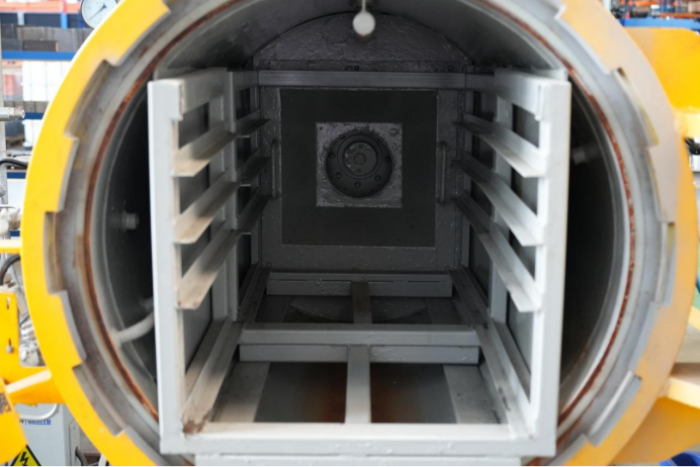
- QGM
- China
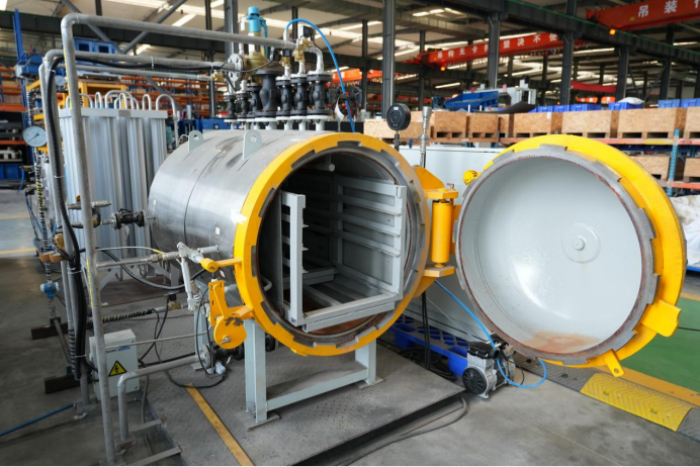
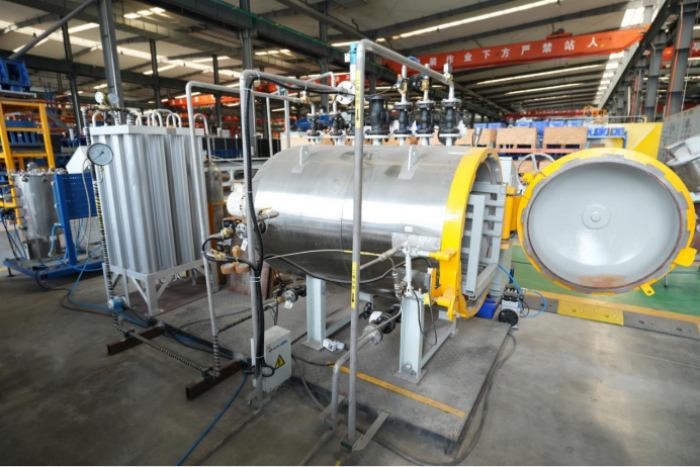
QGM Experimental Curing Kiln features a sealed chamber, adjustable CO2 curing parameters, gas circulation, and data recording for laboratory concrete carbonation research and material testing.
Ⅰ.Product Overview
Developing a suitable CO₂ carbonation process requires systematic testing of concrete materials under different curing conditions. Temperature, relative humidity, CO₂ concentration, chamber pressure, and curing duration can all be varied to investigate how different formulations respond to carbonation.
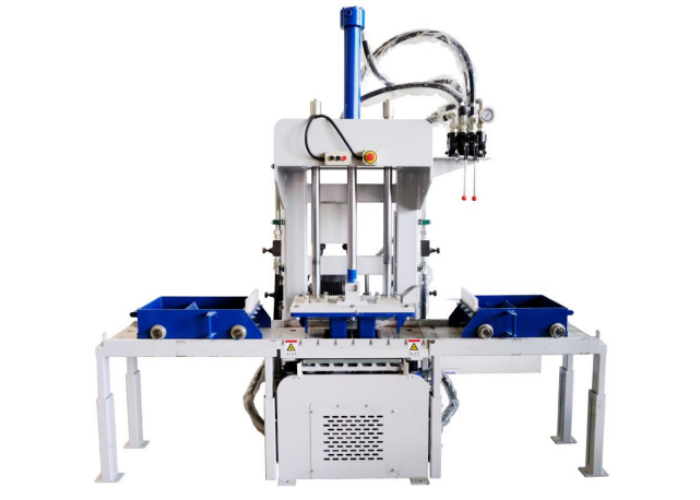
The QGM CO₂ Experimental Curing Kiln is designed for laboratory research, small-batch concrete testing, and carbonation process development. The compact equipment provides an enclosed testing environment where researchers can evaluate concrete samples under adjustable operating conditions.
The experimental curing system combines a sealed chamber, CO₂ supply, gas circulation, environmental control, parameter monitoring, and safety protection. These functions allow laboratories and concrete manufacturers to conduct comparative carbonation experiments and examine the relationship between curing conditions and material performance.
Unlike industrial CO₂ curing chambers designed for larger production volumes, the experimental curing kiln focuses on research and process evaluation. Test findings can help researchers assess concrete formulations, investigate carbonation parameters, and establish technical references for further industrial-scale validation.
Ⅱ. Technical Advantages
1. Compact Chamber for Laboratory-Scale Carbonation Testing
Designed for small-batch concrete testing, the compact curing chamber provides an enclosed environment for CO₂ carbonation experiments. The equipment is suitable for university laboratories, research institutions, and concrete manufacturers' R&D departments.
2.Five Adjustable Parameters for Flexible Experiment Design
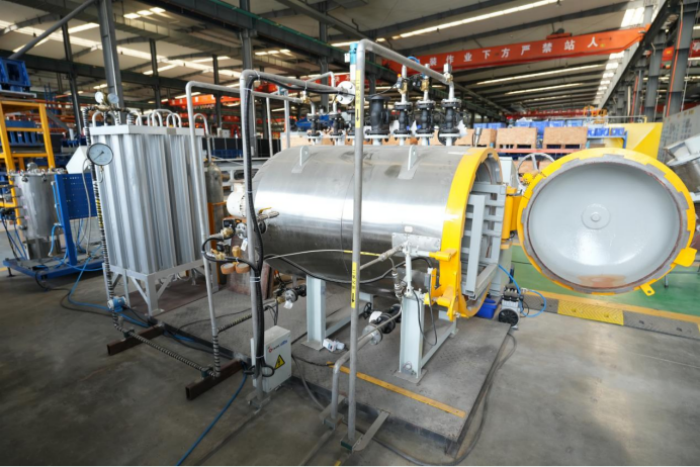
The experimental curing kiln allows researchers to adjust five key operating parameters: temperature, relative humidity, CO₂ concentration, chamber pressure, and curing time. Different parameter combinations can be tested to investigate carbonation behavior under varying curing conditions.
3.Sealed Chamber with Integrated CO₂ Gas Circulation
The sealed chamber works with an integrated gas circulation system to support CO₂ distribution during carbonation testing. Temperature and humidity regulation help establish the selected environmental conditions for different experimental programs.
4.Operating Parameter Monitoring and Data Recording
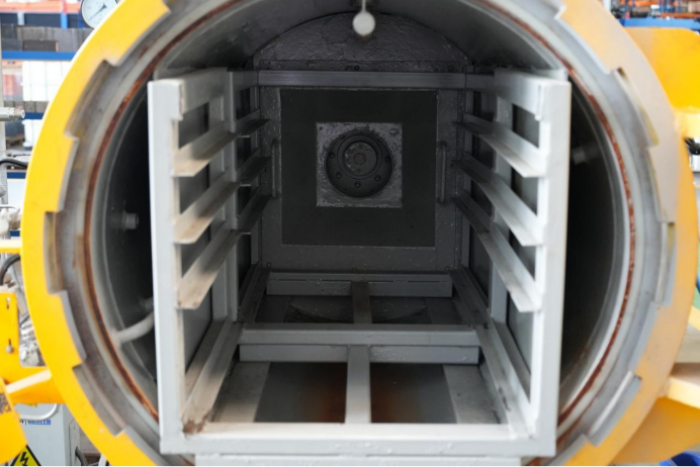
The system monitors and records temperature, relative humidity, CO₂ concentration, and chamber pressure. These operating records help researchers review experimental conditions, compare different curing programs, and analyze concrete sample test results.
5.Flexible Testing for Different Concrete Formulations
The experimental curing kiln supports carbonation research involving different concrete material combinations, including cement, natural aggregates, supplementary cementitious materials, and industrial solid waste materials. Researchers can compare material responses under different curing conditions.
6.Laboratory Testing for Industrial Process Development
Laboratory experiments provide technical references for evaluating concrete mix designs, selecting carbonation parameters, and developing industrial CO₂ curing processes. The experimental curing kiln helps bridge laboratory research and subsequent industrial-scale process validation.
Ⅲ. Main Applications of the Experimental Curing Kiln
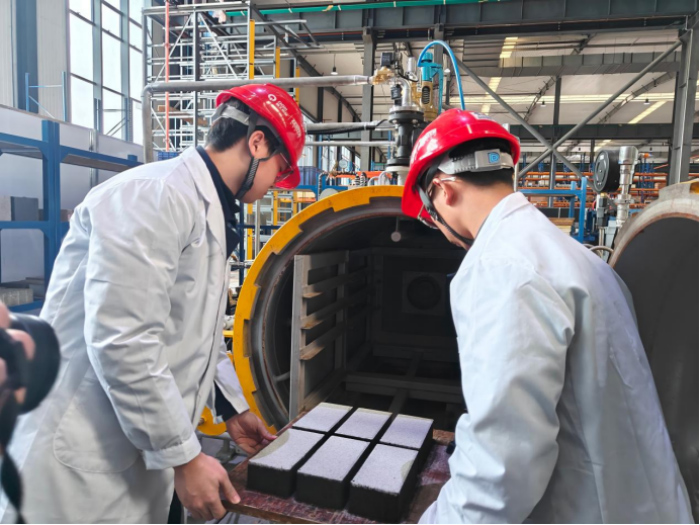
The QGM CO₂ Experimental Curing Kiln is intended for research and testing involving CO₂ carbonation of concrete materials.
CO₂ Carbonation Research
Researchers can investigate the carbonation behavior of concrete materials by adjusting temperature, relative humidity, CO₂ concentration, chamber pressure, and curing time. Different experimental conditions can be compared to study their influence on the carbonation process.
Concrete Mix Design Evaluation
The experimental curing kiln supports small-batch testing of concrete formulations containing different raw materials, including:
•Cement
•Natural aggregates
•Supplementary cementitious materials
•Industrial solid waste materials
Comparative testing helps researchers examine the suitability of different material combinations for CO₂ carbonation applications.
Carbonation Parameter Optimization
Researchers can develop different curing programs by changing the main operating variables. The resulting test data can help evaluate which conditions are appropriate for specific concrete formulations and research objectives.
Concrete Product Performance Testing
Concrete samples can be examined before and after carbonation curing to investigate changes in material properties.
Depending on the research program, evaluation indicators may include:
•Compressive strength
•Density
•Water absorption
•Dimensional stability
•Other relevant concrete performance properties
These measurements provide a basis for comparing sample performance under different experimental conditions.
Industrial CO₂ Curing Process Validation
Concrete manufacturers planning to develop or upgrade an industrial carbonation curing process can use laboratory testing to investigate potential material combinations and curing parameters.
The findings provide technical references for subsequent process development and industrial-scale validation.
QGM CO₂ Experimental Curing Kiln for Concrete Carbonation Research
Researching CO₂ carbonation in concrete requires equipment that can accommodate different materials, operating conditions, and testing objectives.
The QGM Experimental Curing Kiln combines a compact sealed chamber, CO₂ supply, gas circulation, environmental control, and parameter monitoring to support laboratory-scale carbonation experiments.
For concrete manufacturers, universities, and research institutions, the equipment provides a practical platform for studying concrete formulations, comparing curing programs, and evaluating sample performance before moving toward industrial-scale process development.
Planning a concrete carbonation research project?
Share your concrete sample specifications, research objectives, and required operating parameters with QGM. Our team can discuss the experimental curing kiln configuration for your laboratory testing requirements.
Frequently Asked Questions About Experimental Curing Kilns
1. What types of concrete samples can be evaluated in an experimental curing kiln?
The equipment is intended for laboratory-scale CO₂ carbonation testing of concrete blocks and other concrete products. The actual sample dimensions and quantity should be confirmed according to the chamber configuration and experimental requirements.
2. Can researchers change several carbonation parameters within one research program?
Yes. Temperature, relative humidity, CO₂ concentration, chamber pressure, and curing time can be adjusted. Researchers can establish different combinations of these parameters to compare carbonation conditions across test programs.
3. Why is operating data important when evaluating carbonated concrete samples?
Sample test results alone do not explain the conditions under which carbonation took place. Recorded temperature, humidity, CO₂ concentration, and chamber pressure provide additional information for comparing experiments and analyzing the relationship between curing conditions and concrete properties.
4. Which concrete properties can be examined after experimental carbonation curing?
Depending on the research objectives, samples can be evaluated for compressive strength, density, water absorption, dimensional stability, and other relevant properties. The selected testing methods should match the specific research program.
5. What should be considered before using laboratory results in an industrial production project?
Researchers should assess whether the tested material formulation and curing conditions are suitable for the intended production process. Industrial equipment configuration, production scale, material handling, and actual operating conditions require further validation before the laboratory process is adopted for manufacturing.