PFB Concrete Block Pallet for Block Making Machines

- QGM
- China
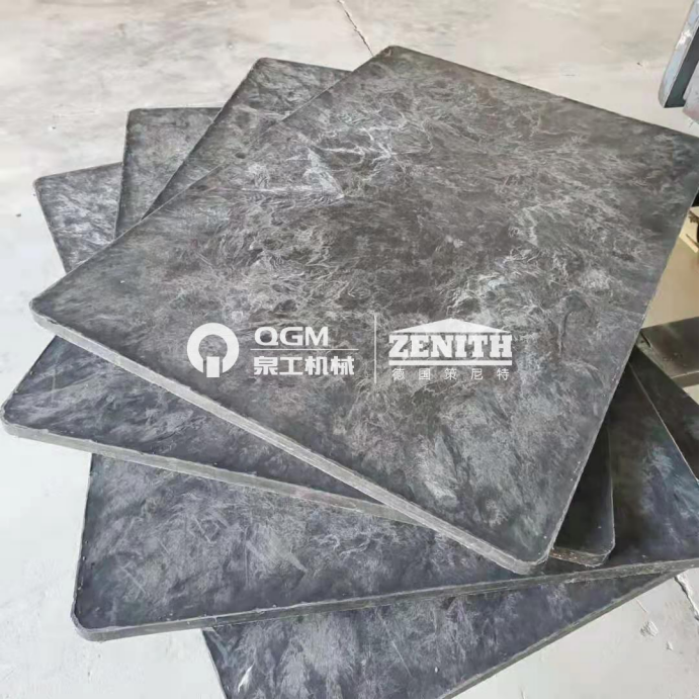
QGM PFB Concrete Block Pallet features thermoformed plastic construction, impact resistance, and three structural options, including built-in and external U-shaped steel edges for concrete block production lines.
Ⅰ.PFB Concrete Block Pallet Overview
A production pallet does more than support freshly molded concrete blocks. Throughout a concrete block production cycle, the pallet passes through forming, vibration, transfer, stacking, and other material handling operations. Its material and structural design need to match the demands of the production line.
The QGM PFB Concrete Block Pallet is a thermoformed plastic pallet developed for concrete block making machines and automated block production lines. The pallet combines a lightweight structure with flexibility, impact resistance, and surface wear resistance, making it suitable for repeated use in concrete block manufacturing environments.
Unlike conventional wooden or steel production pallets, the PFB plastic pallet offers a different balance of handling characteristics, structural flexibility, and maintenance requirements. The pallet design also addresses the repeated vibration and loading conditions associated with concrete block molding.
Different production lines, however, do not necessarily require the same pallet construction. QGM offers three PFB pallet configurations:
•Standard thermoformed plastic pallet
•Built-in U-shaped steel edge pallet
•External U-shaped steel edge pallet
Each structure addresses different loading and reinforcement requirements. Selecting the right plastic concrete block pallet requires consideration of the block machine model, pallet dimensions, finished product weight, handling conditions, and curing process.
Ⅱ.Three PFB Concrete Block Pallet Configurations
Pallet selection should begin with the actual operating conditions of the block production line. Product weight, loading patterns, required structural support, and machine compatibility all influence the appropriate pallet design.
The QGM PFB Concrete Block Pallet is available in three configurations.
PFB Pallet Type | Structural Design | Main Advantages |
Standard PFB Pallet | Thermoformed plastic structure | Lightweight, flexible, and suitable for standard production conditions |
Built-in U-Shaped Steel Edge PFB Pallet | Plastic pallet with embedded U-shaped steel reinforcement | Additional structural support, with reduced direct moisture exposure to the embedded steel edge |
External U-Shaped Steel Edge PFB Pallet | Plastic pallet reinforced with an external U-shaped steel edge | Additional load-bearing support and improved resistance to deformation |
The three configurations provide different structural options rather than a one-size-fits-all solution.
For manufacturers comparing a standard plastic pallet with a reinforced concrete block production pallet, the main consideration should be whether the pallet structure matches the product loading conditions and production environment.
Ⅲ.Key Advantages of QGM PFB Concrete Block Pallet
1. Thermoformed Plastic Construction for Production Handling
In an automatic block production line, pallets circulate repeatedly between the molding machine and subsequent handling stages. Pallet weight and structural behavior can therefore influence routine handling operations.
The QGM PFB Concrete Block Pallet uses a thermoformed plastic structure that combines lightweight construction with flexibility and impact resistance.
Compared with conventional wooden and steel pallet options, the PFB plastic pallet provides an alternative for manufacturers evaluating pallet handling requirements, structural performance, and ongoing maintenance.
The straightforward plastic structure also helps keep routine maintenance requirements manageable.
For block manufacturers considering a plastic pallet for concrete block machines, the material should be evaluated according to the machine's operating conditions and the demands of the complete production cycle.
2.Flexibility and Impact Resistance Under Repeated Vibration
Vibration is a fundamental part of concrete block forming. During each molding cycle, the production pallet is exposed to repeated vibration and the load of freshly formed concrete products.
A suitable pallet needs to accommodate these operating conditions without compromising its structural integrity.
The thermoformed PFB pallet combines material flexibility with impact resistance and resistance to repeated vibration. Compared with conventional PVC pallet options, the PFB material offers better adaptability to different block forming and vibration systems, helping reduce the risk of cracking under repeated operating conditions.
For manufacturers operating an automatic block making machine, pallet compatibility with the machine's vibration system is an important selection consideration.
3.Surface Wear Resistance for Repeated Production Use
Concrete block pallets are exposed to continuous loading, unloading, transportation, and machine vibration. Repeated contact with equipment and handling systems can gradually wear the pallet surface.
The QGM PFB pallet features a wear-resistant thermoformed plastic structure designed for repeated use in concrete block manufacturing.
The actual service performance depends on operating conditions, loading practices, equipment compatibility, and routine maintenance. Matching pallet specifications with the production environment helps manufacturers plan pallet replacement and maintain an organized production workflow.
For buyers evaluating a wear-resistant concrete block pallet, surface durability should be considered together with impact resistance, structural reinforcement, and handling requirements.
4.Reinforcement Options for Different Product Loads
Not all concrete products place the same demands on production pallets. Differences in product dimensions, weight, and loading patterns can affect the structural support required during manufacturing and handling.
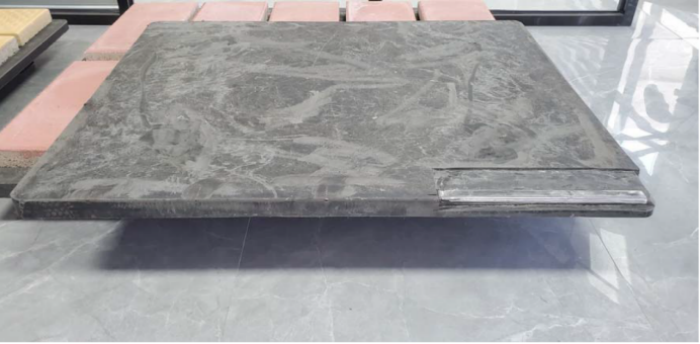
QGM offers two reinforced PFB pallet designs in addition to the standard plastic structure.
Built-in U-Shaped Steel Edge
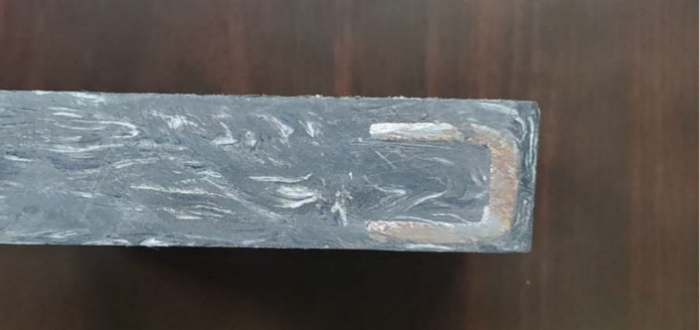
The U-shaped steel reinforcement is embedded within the plastic pallet structure. This design provides additional structural support while reducing direct moisture exposure to the steel edge.
External U-Shaped Steel Edge
The steel reinforcement is positioned on the outside of the plastic pallet. The configuration provides additional load-bearing support and improved resistance to deformation for more demanding loading applications.
The appropriate reinforced plastic concrete block pallet should be selected according to actual product weight, pallet loading conditions, and production requirements.
5. Built-in Steel Edge for Better Structural Integration
The built-in U-shaped steel edge is designed for manufacturers who require additional reinforcement together with a more integrated pallet edge.
Because the steel reinforcement is embedded within the plastic structure, direct exposure to moisture is reduced. This helps minimize the risk of rust and separation between the steel reinforcement and the plastic layer.
The embedded construction also creates a smoother connection between the steel edge and the surrounding plastic structure. A more even edge transition helps reduce the risk of pallet jamming during handling that may occur with uneven steel-edge joints.
Key characteristics include:
•Embedded U-shaped steel reinforcement
•Additional structural and load-bearing support
•Reduced direct moisture exposure to the steel edge
•Improved integration between steel and plastic
•Smoother edge connection for pallet handling
The built-in U-shaped steel-edge PFB pallet is particularly suitable for compatible fully automatic concrete block production lines using high-temperature steam curing and rack curing systems.
For manufacturers operating these curing processes, the built-in reinforcement design provides an additional option when selecting a steel-edge plastic concrete block pallet.
QGM PFB Concrete Block Pallet Solutions
QGM develops PFB production pallets for concrete block making machines and automated concrete product manufacturing lines.
The three available configurations—standard thermoformed plastic, built-in U-shaped steel edge, and external U-shaped steel edge—provide different options for manufacturers with varying pallet loading and structural support requirements.
Whether the priority is lightweight handling, flexibility under repeated vibration, or additional reinforcement, pallet selection should be based on the actual machine configuration and production conditions.
Looking for a suitable PFB pallet for your concrete block production line?
Contact QGM with your block machine model, existing pallet dimensions, concrete product weight, loading conditions, and curing method. The QGM team can help assess the appropriate PFB pallet structure for your manufacturing requirements.
Frequently Asked Questions About PFB Concrete Block Pallets
1. What information should I provide when ordering replacement PFB pallets?
Provide the concrete block machine model, existing pallet dimensions, product specifications, and current pallet configuration. Loading conditions and curing methods should also be included to help confirm the appropriate pallet structure.
2. Does the built-in U-shaped steel edge offer the same construction as the external steel edge?
No. The built-in steel reinforcement is embedded within the plastic pallet, while the external steel edge is positioned on the outside. The embedded design reduces direct moisture exposure to the steel and provides a smoother edge connection. The external configuration provides additional load-bearing support and resistance to deformation.
3. Why is pallet compatibility important for automatic block molding machines?
A production pallet must match the machine's dimensions and operating conditions. During molding and subsequent handling, the pallet is exposed to repeated vibration and product loading. Incorrect dimensions or an unsuitable structure may affect pallet movement and production handling.
4. What makes the built-in steel-edge PFB pallet suitable for certain steam-curing production lines?
The built-in U-shaped steel reinforcement is embedded within the plastic structure, reducing direct moisture exposure to the steel edge. This configuration is particularly suitable for compatible fully automatic production lines using high-temperature steam curing and rack curing systems. Actual suitability should be confirmed against the specific curing conditions.
5. Should I choose a reinforced PFB pallet simply because my concrete blocks are heavier?
Not necessarily. Product weight is an important factor, but pallet dimensions, loading distribution, machine compatibility, and handling conditions also influence the selection. The standard, built-in steel-edge, and external steel-edge configurations should be compared against the complete production requirements before making a decision.