Prefabricated Steel Structure Curing Chamber for Blocks

- QGM
- China
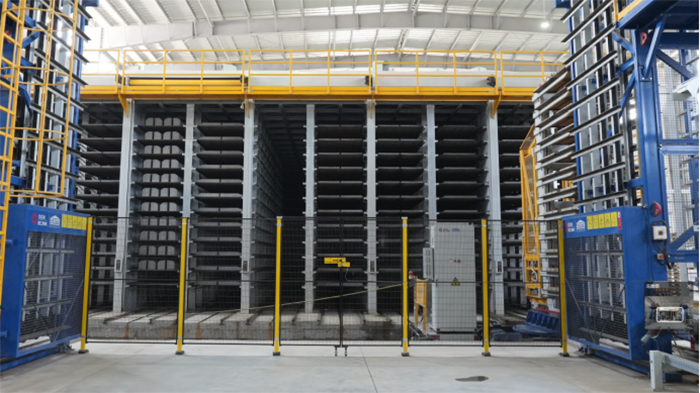
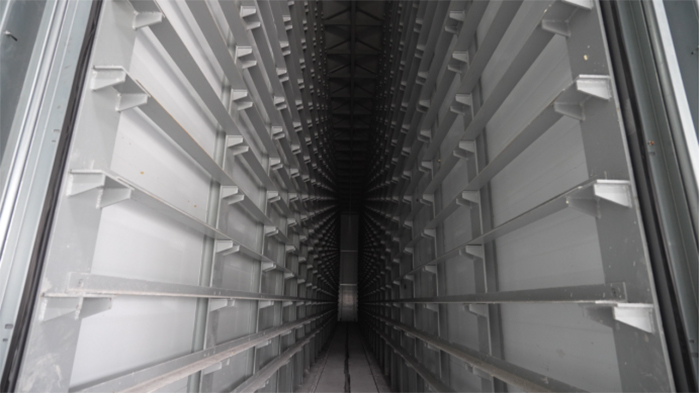
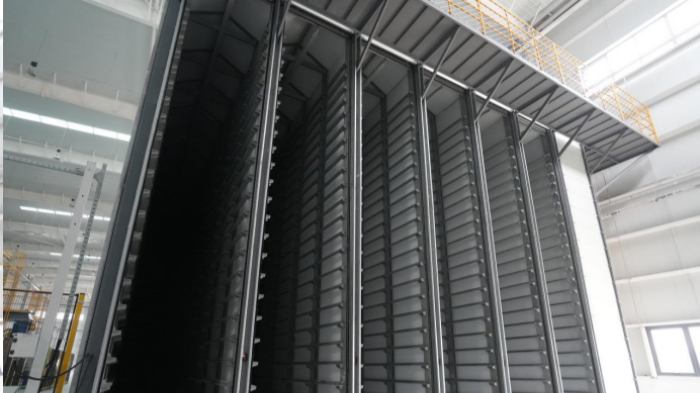
QGM Prefabricated Steel Structure Curing Chamber features modular steel frame components, an insulated enclosure, and flexible layout configurations. Designed for concrete block curing, it supports coordinated material handling and adaptable installation.
Ⅰ.Product Overview
A concrete block curing chamber needs to fit the production process, not force the factory to adapt to a fixed structure. Available floor space, product dimensions, curing capacity, and material handling arrangements all influence how a curing facility should be designed.
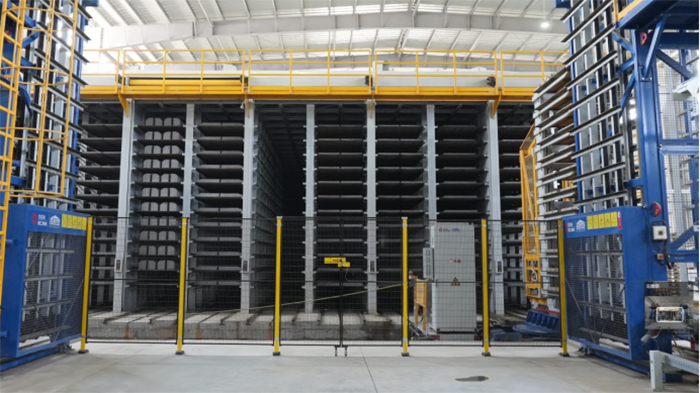
The QGM Prefabricated Steel Structure Curing Chamber is a modular curing solution for concrete block plants and precast concrete manufacturing facilities. Built from prefabricated steel frame components, the chamber is assembled on site and configured according to the specific requirements of each project.
Unlike conventional curing spaces with fixed dimensions, the prefabricated steel structure allows the chamber's length, width, and internal capacity to be planned around the factory layout and production requirements. The design can also accommodate different concrete product specifications and material transfer arrangements.
An insulated enclosure helps maintain a relatively stable internal temperature, while temperature, humidity, and curing time are controlled according to the required curing process. The chamber can also be coordinated with stacking systems, conveyors, and other material handling equipment in automatic and semi-automatic production facilities.
For manufacturers building a new block production plant or upgrading an existing curing area, the QGM Prefabricated Steel Structure Curing Chamber provides a configurable structure that can be planned around current production needs and potential future changes.
Ⅱ.Product Advantages
1.Prefabricated Steel Frame for Project-Specific Installation
Factory space and production layouts vary from one concrete manufacturing project to another. A standard fixed-size curing structure may not fit the available installation area or the arrangement of existing equipment.
The QGM Prefabricated Steel Structure Curing Chamber uses standardized steel frame components that are manufactured in advance and assembled at the project site. This approach avoids constructing the entire chamber structure from scratch on site.
The modular steel frame can be planned according to:
•Available factory space
•Concrete block and precast product dimensions
•Required curing capacity
•Production line arrangement
•Stacking and material handling requirements
This prefabricated construction approach gives manufacturers more flexibility when planning a new curing facility or adapting an existing production area.
2. Configurable Chamber Dimensions and Internal Layout
The dimensions of a concrete block curing chamber need to correspond with the products being manufactured and the way materials move through the plant.
The QGM modular curing chamber allows the overall structure, including chamber length, width, and internal capacity, to be configured according to project requirements.
The layout can take into account product specifications, daily production requirements, factory dimensions, and the arrangement of upstream and downstream equipment.
Rather than relying on a single standard layout, manufacturers can plan the curing chamber around the actual workflow of the concrete block production line.
3. Steel Frame Construction for Structural Support
The steel frame forms the main supporting structure of the prefabricated curing chamber. Standardized structural components are assembled into a complete enclosure according to the approved project configuration.
Structural connections are designed to provide support for the chamber enclosure and associated curing facilities during routine production operations.
The steel structure also provides the framework for installing the insulated enclosure and coordinating the curing area with the plant's material handling arrangement.
4.Insulated Enclosure for More Stable Curing Conditions
Maintaining suitable temperature conditions is an important part of concrete curing. Heat loss and internal temperature fluctuations can make it more difficult to maintain the required curing environment.
The QGM Prefabricated Steel Structure Curing Chamber incorporates an insulated enclosure to help reduce heat loss and maintain a relatively stable internal temperature.
The insulation configuration can be selected according to the local operating environment and project curing requirements. Together with temperature, humidity, and curing time control, the insulated enclosure helps establish suitable conditions for concrete block and precast concrete curing.
For manufacturers selecting a concrete block curing chamber, insulation should be considered alongside the curing process, factory environment, and operating requirements.
5.Corrosion Protection for Humid Curing Environments
Moisture exposure is an important consideration in concrete curing facilities. The steel frame and associated components require suitable protective treatment according to the working environment.
The QGM Prefabricated Steel Structure Curing Chamber can be supplied with corrosion protection selected for the project's environmental conditions.
The protective treatment helps reduce the effects of moisture exposure on steel components and supports the structural condition of the curing chamber during routine operation.
The appropriate protection method should be confirmed according to site conditions and project requirements.
6.Integration with Automatic and Semi-Automatic Production Lines
A curing chamber is one part of the overall concrete block production process. Its layout needs to match the movement of products from forming and stacking through curing and subsequent handling.
The QGM Prefabricated Steel Structure Curing Chamber can be integrated with:
•Automatic stacking systems
•Conveyors
•Product transfer equipment
•Related material handling systems
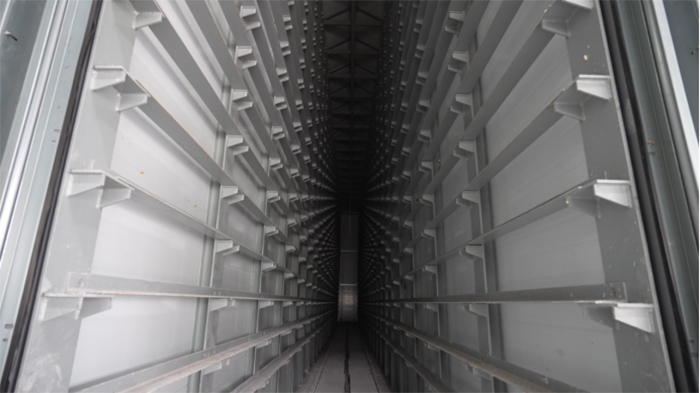
The chamber layout and transfer connections can be planned according to product dimensions, stacking arrangements, production capacity, and the automation level of the plant.
This makes the modular curing structure suitable for both semi-automatic concrete product facilities and automated block production lines.
7. Modular Structure for Maintenance and Future Adjustments
Concrete manufacturers may introduce new product specifications, modify factory layouts, or revise production requirements over time. A curing structure should therefore be evaluated not only for its initial configuration but also for its suitability for future changes.
The prefabricated modular structure provides access to individual structural components for routine inspection, maintenance, and replacement.
When production requirements change, the chamber layout and related configurations can be reviewed for possible adjustment or expansion. The feasibility of future modifications depends on the existing structure, available space, and project conditions.
This modular approach gives manufacturers greater flexibility when planning a curing facility for evolving production needs.
How to Plan a Prefabricated Steel Structure Curing Chamber
Selecting a suitable curing chamber requires coordination between the building structure, curing process, and production line layout. Before confirming a project configuration, manufacturers should prepare the following information.
1. Factory Layout and Available Installation Space
Provide the available installation area and relevant factory dimensions. These details help determine the chamber's overall length, width, and arrangement within the production facility.
2. Concrete Product Specifications
Identify the dimensions and types of concrete blocks or precast products to be cured. Product specifications influence the internal arrangement and material handling requirements.
3. Required Curing Capacity
Clarify the required production capacity and curing process. This information helps establish the chamber configuration in relation to the plant's production requirements.
4. Curing Process Requirements
Specify the required temperature, humidity, and curing time conditions. The insulated enclosure and related curing arrangements should be evaluated according to the intended operating environment.
5. Stacking and Conveying Arrangements
Confirm how products enter and leave the curing chamber. Automatic stacking systems, conveyors, and other handling equipment need to be considered during layout planning.
6. Local Environmental Conditions
Provide information about the plant's operating environment, particularly moisture exposure. These conditions help determine the insulation arrangement and suitable corrosion protection for the steel structure.
A complete project assessment helps ensure that the prefabricated curing chamber is planned as part of the production system rather than as an isolated structure.
QGM Prefabricated Steel Structure Curing Chamber Solutions
A curing facility needs to work with the factory's production arrangement, product specifications, and operating conditions.
The QGM Prefabricated Steel Structure Curing Chamber combines modular steel construction, an insulated enclosure, and project-specific configuration for concrete block and precast concrete manufacturing applications.
For a new production plant, the chamber can be planned alongside the production line layout and material handling system. For an existing facility, the available installation area, current equipment arrangement, and curing requirements can be evaluated before confirming the configuration.
Planning a new concrete block curing facility or upgrading an existing production line?
Contact QGM with your factory layout, concrete product dimensions, daily production requirements, and curing process specifications. The QGM team can help evaluate a prefabricated steel structure curing chamber configuration for your project.
Frequently Asked Questions About Prefabricated Steel Structure Curing Chambers
1. Is a prefabricated steel structure curing chamber supplied as a complete factory-built unit?
The chamber uses standardized steel frame components manufactured in advance and assembled at the project site. The overall structure and dimensions are planned according to the specific project requirements.
2. Can the curing chamber accommodate different concrete block sizes?
The chamber layout can be configured according to concrete product dimensions and the required curing arrangement. Product specifications should be provided during the design stage so that the chamber and internal material handling layout can be evaluated accordingly.
3. Does the insulated enclosure replace the need for temperature and humidity control?
No. The insulated enclosure helps reduce heat loss and maintain a relatively stable internal temperature. Temperature, humidity, and curing time still need to be controlled according to the required curing process.
4. How does the chamber layout affect product movement during curing?
The chamber layout needs to match the product stacking arrangement and transfer route. Connections with stacking systems, conveyors, and related handling equipment should be planned together to coordinate product entry, curing, and subsequent transfer.
5. Can the steel structure be adapted to a plant operating in a humid environment?
The chamber can be supplied with suitable corrosion protection according to the local working environment. The protective treatment should be selected based on site moisture exposure and project requirements.
6. What determines whether an existing curing chamber can be expanded or reconfigured?
The feasibility depends on the existing steel structure, available factory space, current chamber arrangement, and revised production requirements. A project assessment is needed before confirming any structural modification or expansion.